Quick Answer The best PPR pipe brands in Russia include Llc Elf Group Of Companies, Rodezi Llc, and TechPlast Group. These brands primarily source from China, […]
Quick Answer PP-R CT pipes handle continuous heat up to 95°C without losing shape or pressure rating. Their enhanced crystalline structure boosts strength and heat resistance […]
Quick Answer To import PPR pipes from China, start by researching China’s import rules and certifications. Choose reputable manufacturers to avoid customs delays and shipment rejections. […]
Quick Answer Antibacterial PPR pipes contain built-in silver ions that stop bacteria from reproducing on the inner surface. Unlike coatings, this protection is infused into the […]
Quick Answer Anti-UV PPR pipes are plastic piping systems designed to resist harmful UV rays. They prevent color fading and brittleness from sun exposure. These pipes […]
Quick Answer The top PPR pipe trade shows in the Middle East for 2025-2026 are Big 5 Global (Dubai, December 2025), The Saudi Build (Riyadh, October […]
Quick Answer Central Asia is emerging as a key destination for PPR pipe trade shows, with Aquatherm Almaty 2025 in Kazakhstan (September 3–5) leading the sector. […]
Quick Answer PPR pipe outperforms PEX for high-temperature systems, handling continuous heat up to 95°C and peaks of 110°C. PEX only tolerates 93°C short-term. PPR lasts […]
Quick Answer PPR pipes handle temperatures up to 95°C (203°F), while HDPE pipes only manage up to 60°C (140°F). PPR offers superior heat resistance, chemical durability, […]
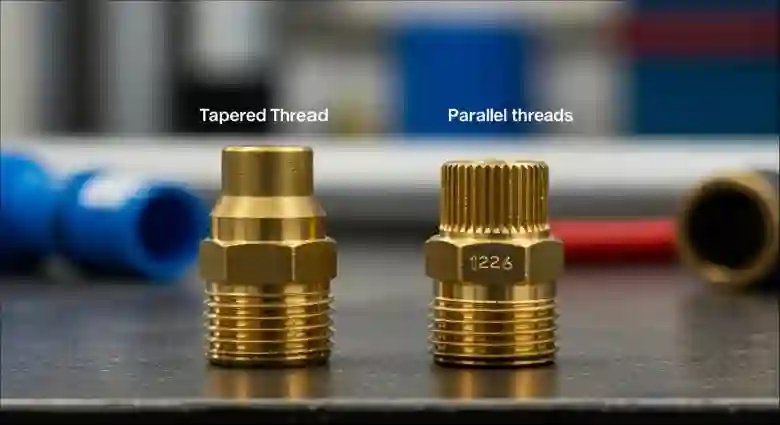
Quick Answer Tapered and parallel threads are the two main types used on threaded brass pipes. Tapered threads, like NPT and BSPT, have a conical shape […]
Quick Answer PPR water pipe is the best choice for drinking water systems. It outperforms PVC in safety, durability, and heat resistance. PPR is made from […]
Quick Answer PPR pipes outperform PVC for hot and cold water systems due to higher heat resistance, durability, and safety. PVC pipes are cheaper and lighter, […]
Quick Answer PPR pipe fittings can last over 50 years with proper care. Their durability comes from resistance to corrosion, heat, and pressure. Maintenance is key […]
Quick Answer PPR pipes work as fire protection pipes because they withstand temperatures from -20°C to +95°C. They resist heat, pressure, and thermal expansion. The material […]
Quick Answer PPR cold and hot water pipes differ in temperature resistance, pressure rating, and wall thickness. Hot water pipes withstand up to 95°C, while cold […]
Quick Answer Choosing the right PPR fitting depends on your system’s pressure needs, pipe size, and flow direction. The 15 essential types include couplings, elbows, tees, […]
Quick Answer PPR and PP RCT pipes differ mainly in material composition and performance under heat and pressure. PPR pipes handle up to 70°C continuously, while […]
Quick Answer The top 10 global PPR pipe manufacturers are Georg Fischer, Wefatherm, Aquatherm, Rehau, Uponor, Bänninger, Wavin, NIBCO, Edoburg, and Pipelife. Georg Fischer, founded in […]
Quick Answer The global PPR valve market is projected to reach $116.15 billion by 2025, yet quality varies enormously among countless manufacturers. The top 10 global […]
Quick Answer PPR pipes are joined using heat fusion welding, not glue or threads. The process creates a seamless bond often stronger than the pipe itself. […]
Quick Answer PPR pipe standards and certifications determine installation quality, safety, and long-term performance. Key standards include ISO 15874 for materials, ISO 9001 for manufacturing quality, […]
Quick Answer Choosing the right PPR pipe depends on your application, pressure needs, and temperature. For cold water, use S4 (PN12.5) or S3.2 (PN16). For hot […]
Quick Answer PPR pipes, when installed correctly, can last over 50 years. Use a welding machine heated to 260°C for fusion. Heating times range from 5 […]
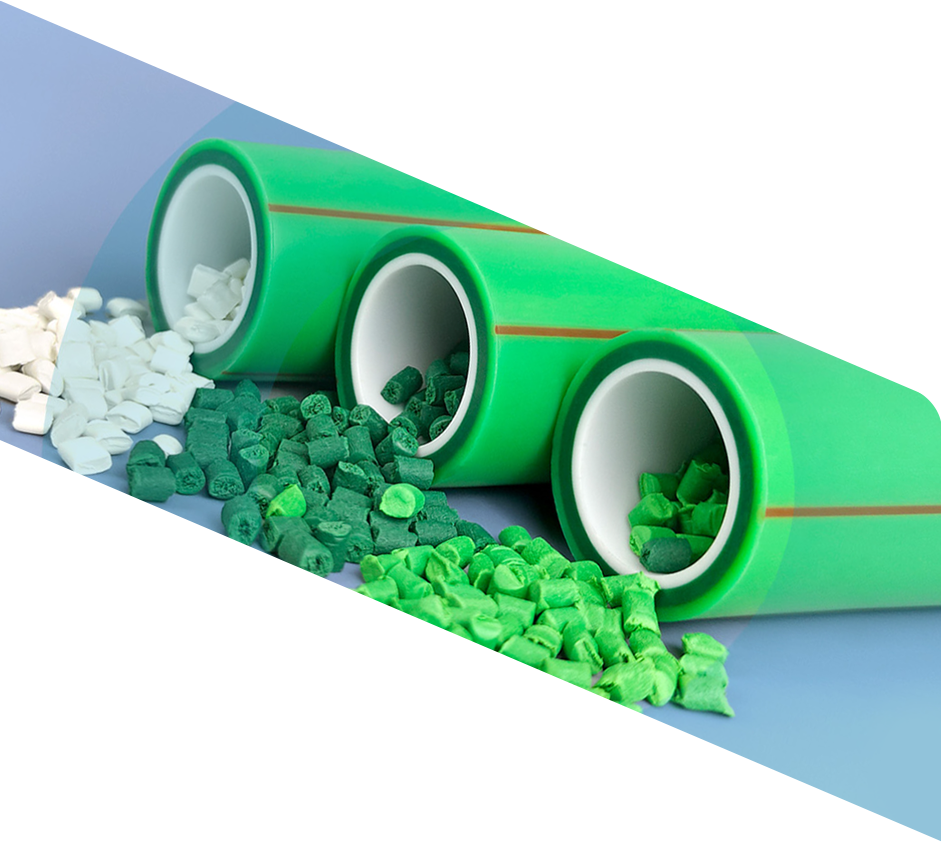
Quick Answer PPR pipe colors do not indicate quality differences. Pure PPR is naturally clear. Manufacturers add color masterbatch during production. This prevents light penetration and […]
Quick Answer PPR pipes handle up to 95°C without distortion. They resist corrosion, scale, and chemicals. Heat fusion welding creates leakproof joints. The material is lightweight, […]
Quick Answer PPR pipe leaks typically stem from poor installation, overpressure, physical damage, aging, or loose fittings. Fixes range from tightening joints and applying Teflon tape […]
Quick Answer PPR pipes handle temperatures up to 95°C, while CPVC pipes tolerate up to 90°C. PPR uses heat fusion for leak-proof joints and lasts over […]
Quick Answer PPR pipes outperform mild steel pipes in corrosion resistance, lifespan, installation ease, and cost efficiency. PPR pipes last over 50 years, resist rust and […]
Let’s Turn Knowledge into Action
FAQS
1Are you a manufacturer or trading company?
We're a professional manufacturer in China, and have been in this field for over 20 years. OEM/ODM customization options. Quotation within 24h
2How long is the delivery time?
15-30 days after receiving deposit
3Is it possible to get samples from your factory?
Yes, free samples will be sent if needed, but the freight can be negotiated or chargeable, it will be refunded after confirmation of the order.
4What’s your after-sales service like?
We provide comprehensive after-sales support to ensure your complete satisfaction:
1. Technical Support - Dedicated engineers available 24/7 to assist with installation, troubleshooting, or product queries.
2. Quality Guarantee - 10-year warranty on all PPR pipes and fittings against manufacturing defects.
3. Replacement Policy - Free replacement for defective products (verified within 30 days of delivery).
4. Ongoing Assistance - Regular follow-ups to monitor product performance and address any concerns.
5. Custom Solutions - Specialized support for OEM clients, including product adaptation and logistics coordination.