Quick Answer A best PPR pipe welding machine must maintain a stable 260°C working temperature with a deviation no greater than ±3%. Thermal consistency is non-negotiable […]
Buried PPR pipe expansion management should entail a careful blend of “snaking” inside the trench and employing loose sand as pipe bedding to facilitate natural movement […]
A professional PPR pipe support spacing guide ensures the structural integrity and hydraulic efficiency of a high-performance thermoplastic piping network. On industrial job sites, failing to […]
Selecting a professional PPR pipe cutter is the fundamental first step in ensuring the integrity of a thermal fusion joint for any industrial or commercial piping […]
Deciding between PEX vs PPR underfloor heating configurations depends entirely on whether your project prioritizes the rapid installation of flexible floor loops or the permanent structural […]
The real PPR pipe cost is based on purity of the raw materials used, the specified pressure rating needed, and the individual certifications that ensure that […]
Global PP-RCT pipe manufacturers like the DESO Group lead the 2026 industrial market by providing the high-performance crystalline-modified piping required for critical infrastructure. Choosing a Tier-1 […]
Selecting a professional PPR pipe welding machine requires matching technical heat precision with on-site durability to promote complete molecular fusion. This is important because it helps […]
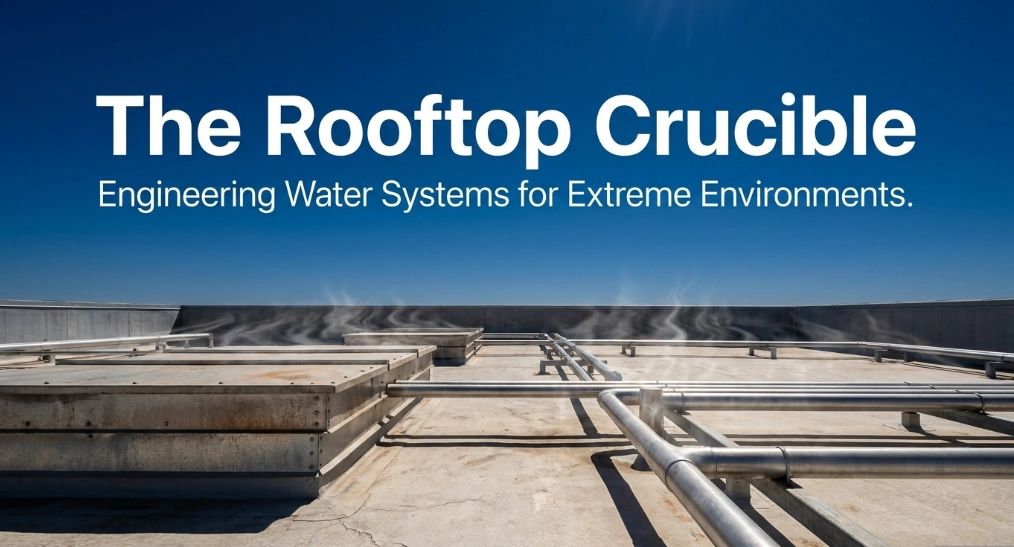
The best pipe for a rooftop water system is a UV-resistant PPR pipe, because it handles sunlight, heat, and pressure without cracking. This article explains why […]
For outdoor plumbing, the UV-resistant PPR Pipe is the better choice. Standard PPR pipe degrades in direct sunlight. It turns brittle, discolors, and loses strength over […]
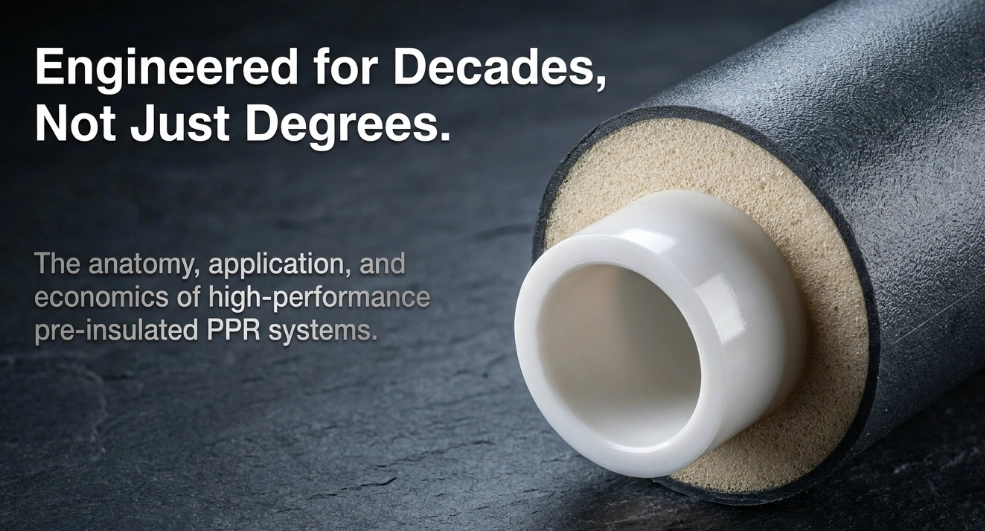
A pre-insulated PPR pipe combines a polypropylene service pipe, a foam insulation core, and a protective outer jacket in one factory-made unit. This design cuts heat […]
When comparing ppr vs copper pipes for most modern water systems, PPR lowers cost and installs faster while resisting corrosion. Copper still wins in extreme-heat and […]
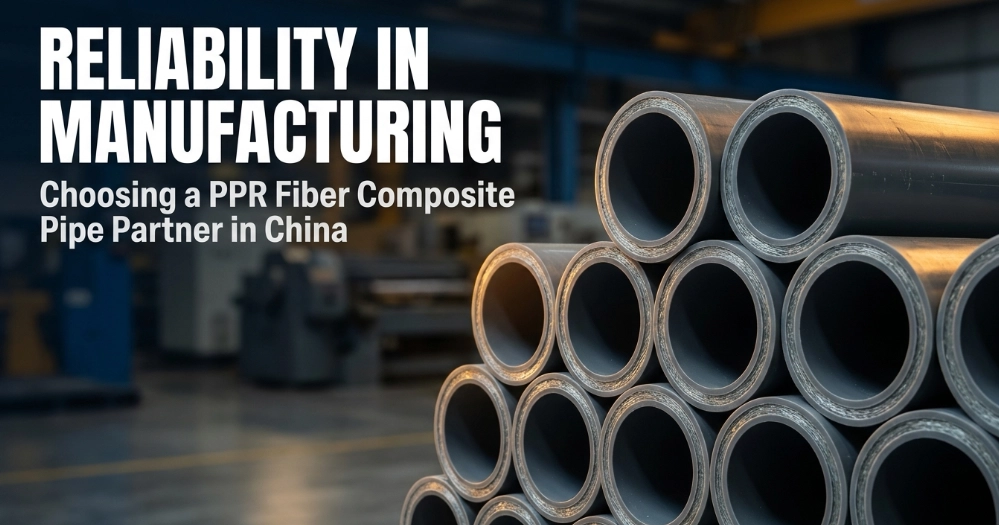
To choose a strong manufacturer in China, verify factory ownership, raw materials, testing, certifications, and export records before you order. These five checks separate real producers […]
Standard PPR pipe carries water continuously at temperatures up to about 70°C, with short peaks near 95°C. Its melting and softening behavior sits far higher, around […]
PPR pipes resist most water, salt solutions, weak acids, and many bases without corroding. They struggle with strong oxidizers, certain solvents, and aromatic hydrocarbons. This guide […]
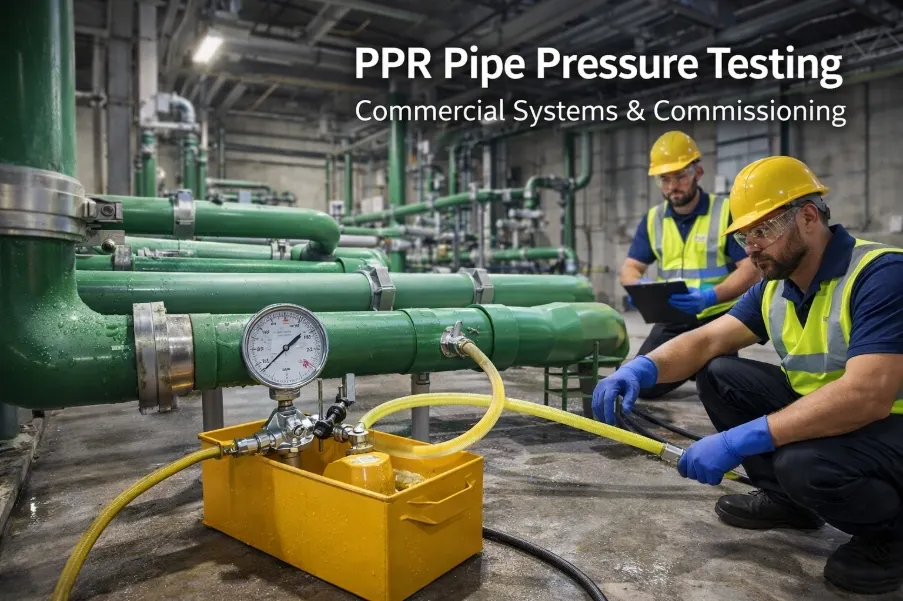
PPR pipe pressure testing is the final inspection process used to confirm that newly installed PPR pipelines are leak-free, pressure-stable, and ready for operation. By using […]
In commercial buildings, a PPR pipe system is not simply installed; it is engineered as a pressure-controlled network designed to maintain stable flow, thermal stability, and […]
Y-type pipe fitting is often the best choice for complex PPR branching because it reduces pressure loss, improves circulation efficiency, and lowers pump load compared to […]
PPR Aluminum composite pipe systems are the better choice for projects that demand low thermal expansion, strong rigidity, and reliable oxygen barrier protection, while fiber composite […]
PPR pipe weight chart information helps buyers estimate shipping costs, plan container space properly, and confirm whether pipe specifications match project requirements before export. In large […]
Outdoor pipelines are more prone to stress than indoor systems. That’s why choosing the best pipe material for outdoor water line systems matters the most. With […]
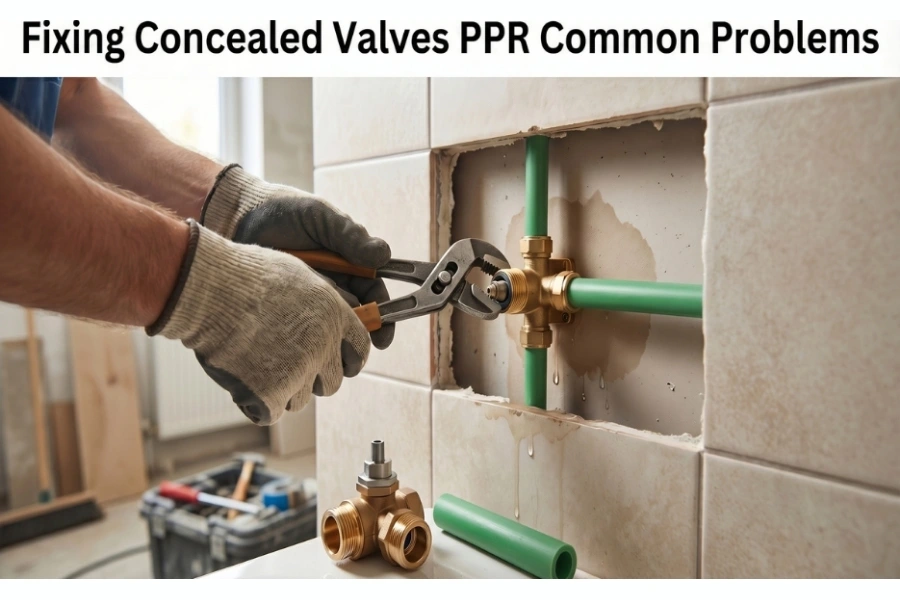
Concealed valve issues in PPR systems often come from poor installation, wrong sizing, or mismatched fittings, and fixing them early prevents costly wall repairs. In water […]
Brass and PPR stop valves directly affect water system flow, but choosing which material works best practically depends on pressure, environment, and application needs. Pipe material […]
A PPR valve works by controlling, directing, and shutting off water flow to keep piping systems stable and efficient. This is exactly why choosing the right […]
In residential and commercial plumbing installations, PPR ball valves serve as the gatekeeper for managing and isolating water flow. These valves regulate pressure, enable maintenance shutdowns, […]
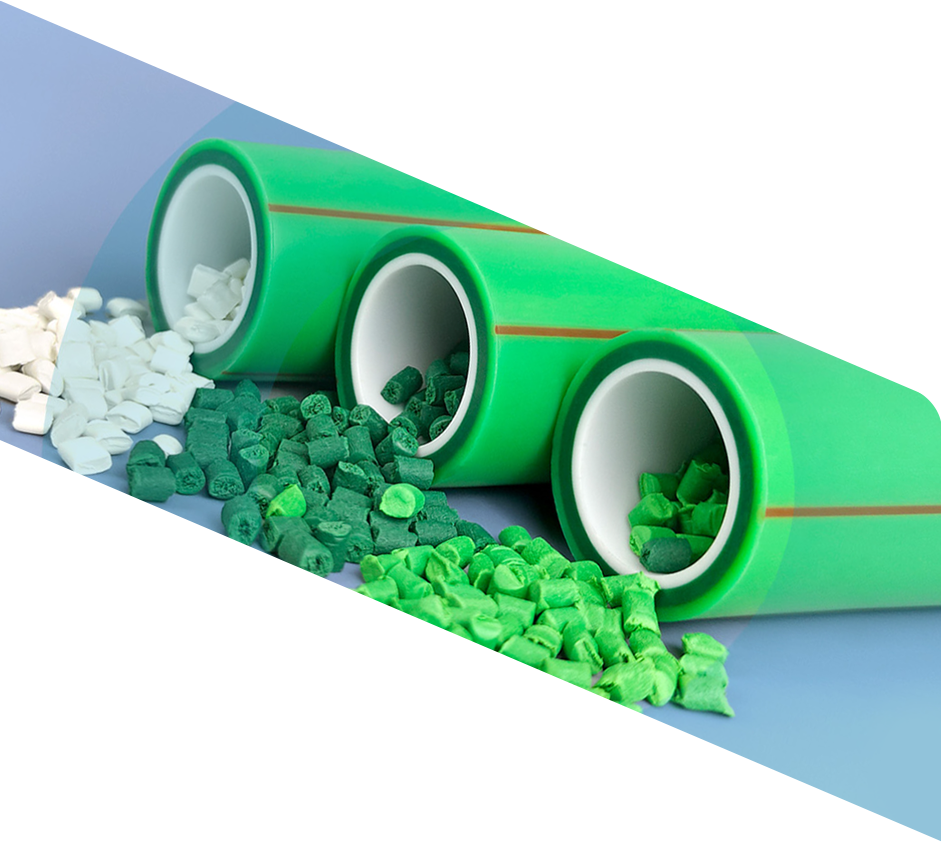
In the world of modern hot and cold water plumbing systems, commercial and residential establishments utilize PPR tubes. PPR means Polypropylene Random Copolymer, which is the […]
Today’s commercial and residential buildings require precision, safety, and energy efficiency. However, some traditional metal piping often has challenges meeting these requirements. Modern plumbing systems have […]
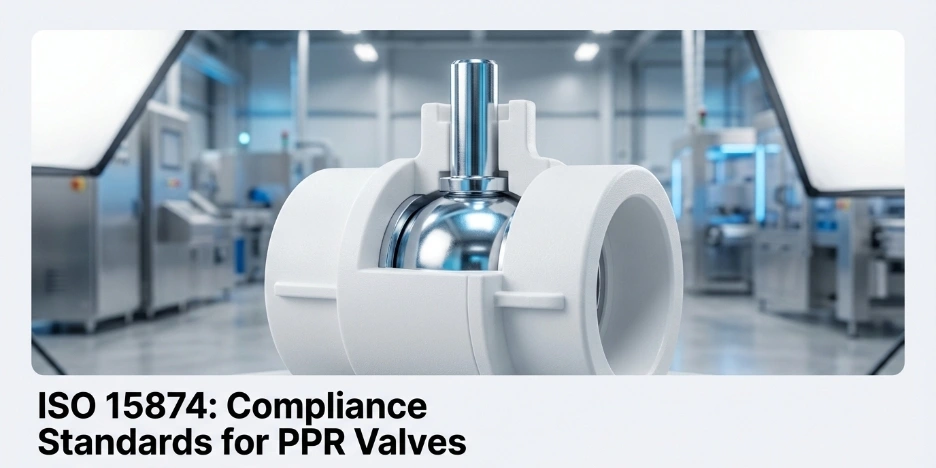
In the modern plumbing industry, PPR systems are the standard material for hot and cold water plumbing. This standard must be backed by international compliance, including […]
Modern bathrooms and kitchen fixtures require a compliant PPR angle valve that is both functional and visually appealing. An angle valve PPR, is the critical link […]
In modern industrial piping systems, a PPR double union valve acts as a “safety net” and “quick release” button. While a standard valve only turns the […]
Food and beverage plants depend on piping systems that protect water quality during production and frequent cleaning cycles. A food-grade pipe must support hygiene, material safety, […]
High-altitude installations affect how pressure acts inside plumbing systems, often requiring closer attention to pipe selection. A pressure rating that performs well at sea level may […]
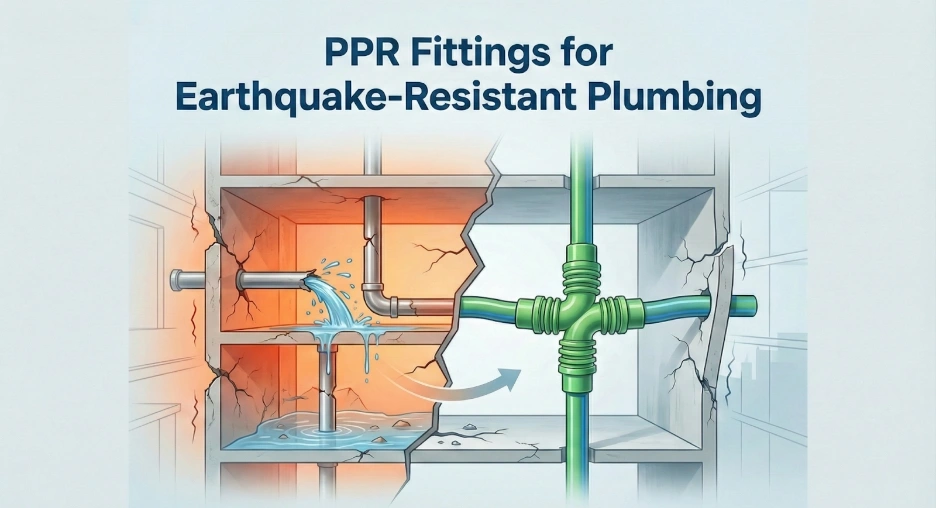
Seismic plumbing requires flexible materials so systems survive shaking without leaks or costly failures. This article explains how seismic forces stress plumbing and how using flexible […]
Brands and distributors often need product differentiation that catalog fittings cannot provide. This is where OEM PPR mould development becomes valuable, because it enables unique fittings […]
The reliability of a piping system is a main factor in determining the stability and sanitation of modern infrastructure. Choosing the right PPR pipes and fittings […]
In the pharmaceutical industry, water is a widely used commodity in manufacturing and sanitation, such as purified water (PW) and water for injection (WFI). The integrity […]
In plumbing installation projects, the connections between plastic and metal is a critical factor in leak-proof prevention. This article explains why PPR brass accessories are not […]
Leaks in electro-fusion joints are preventable. Most failures come from poor preparation, incorrect parameters, or rushed installation. This guide explains how electro-fusion joints work, why leaks […]
For high-rise buildings, pipe selection depends on pressure, temperature, and long-term stability. Standard PPR works for basic systems, aluminum composite pipes reduce thermal movement in tall […]
Melt Flow Rate directly determines how well PPR pipes melt, fuse, and form strong joints. In simple terms, it controls how the material behaves during heating […]
SDR measures wall thickness relative to pipe diameter. PN tells you the pressure rating at 20°C. Choosing the right plumbing wall thickness for industrial PPR systems […]
Low-quality recycled plastic in PPR Pipe systems shows up through five warning signs: surface defects, color inconsistency, pungent odor during welding, unstable melting behavior, and brittleness. […]
PPR pipe pressure testing standards for large commercial projects require testing at 1.5x maximum working pressure, held across multiple phases totaling at least 2.5 hours. The […]
PPR pipe systems outlast galvanized iron on every metric that matters for long-term project costs. The joints are stronger, the interior stays smooth for decades, and […]
A PPR pipe for heating reduces heat loss through thermal conductivity 1/200th that of steel, pre-insulated systems with PUR foam cutting energy escape by up to […]
A PPR pipe for compressed air can work safely in low-to-medium pressure systems when you use the right grade. But it’s not a blanket replacement for […]
A PPR pipe for chilled water system won’t corrode, rust, or degrade when exposed to moisture and temperature swings. Metal pipes will. In HVAC environments where […]
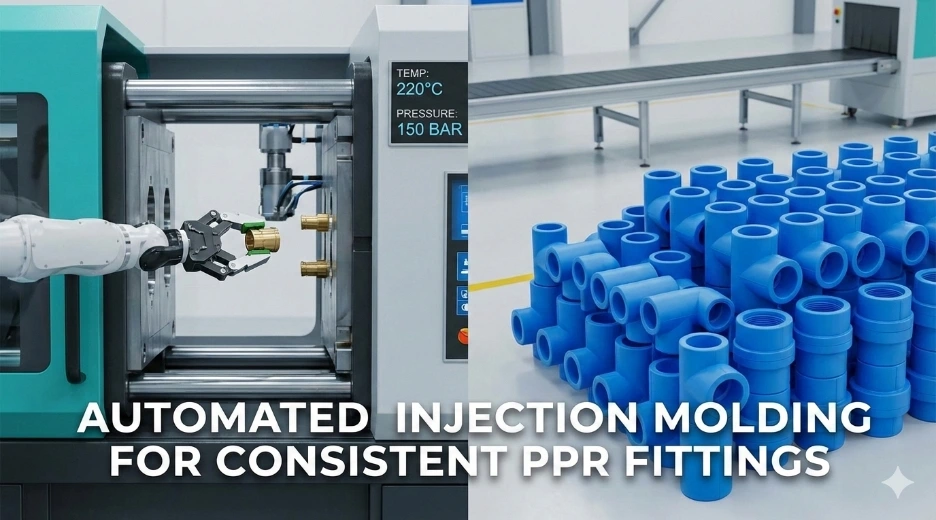
Automated injection molding improves fitting consistency by controlling every production step with precision. For PPR valve and fitting production, automation reduces size variation, material errors, and […]
Sustainability in PPR manufacturing means using less energy, reducing waste, and making materials reusable. This approach helps protect the environment while keeping piping systems safe and […]
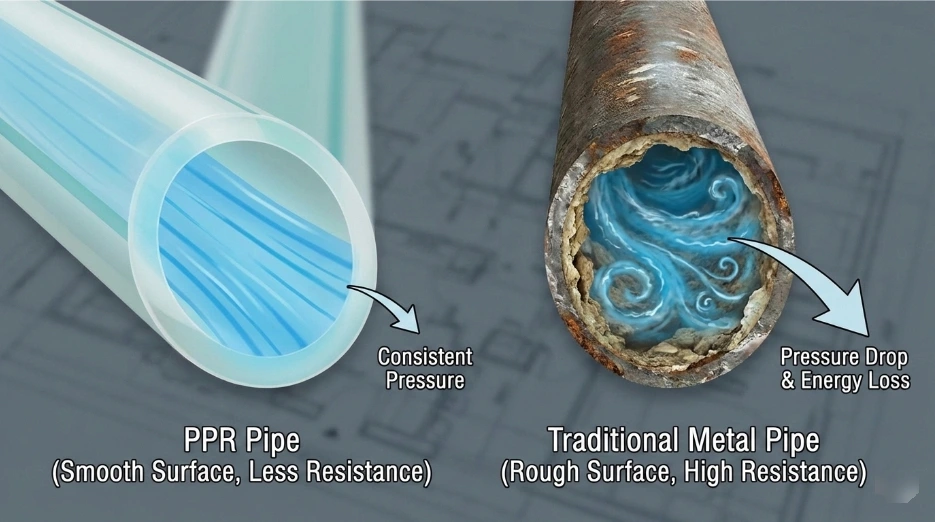
PPR pipes reduce pressure loss because water flows through them with less resistance. Their smooth inner surface, stable shape, and fused joints allow water to move […]
Oxygen barrier PPR pipes are necessary when a piping system includes metal parts or operates in closed-loop heating systems. They help reduce oxygen entry, which lowers […]
Hot fusion welding is the standard method used to join PPR piping systems into one continuous network. It works by heating the pipe and fitting surfaces, […]
Glass fiber orientation reduces pipe bending by controlling how force moves through the pipe wall. When fibers face the right direction, they absorb stress before the […]
Hot water systems need pipes that stay stable, safe, and efficient over time. Fiber-reinforced PPR, also called GF-PPR, meets these needs by combining polypropylene with glass […]
The plumbing industry is evolving quickly in 2026. New building rules, water safety concerns, and rising energy costs are pushing the market toward smarter systems. For […]
Five-layer PPR composite pipes offer lower thermal expansion than three-layer designs. The reason is simple. Extra structural layers reduce movement when temperatures change. This article explains […]
Pipe expansion means a pipe changes length when the temperature changes. This happens in all materials, not only plastics. In hot and cold water systems, this […]
The short answer is this: the price is shaped by material choice, mold design, copper inserts, and testing standards. Understanding these factors helps buyers avoid surprises, […]
Choosing the right polypropylene ball valve means checking three things first: material safety, pressure rating, and proper testing. For homes and commercial buildings, the right choice […]
PPR and stainless steel pipe differ mainly in durability, installation method, cost, and suitability for specific applications. Both materials are used in plumbing and heating systems, […]
PPR single-layer and double-layer pipes do not work exactly the same because they differ in structure, performance, durability, and application suitability. While both are used in […]
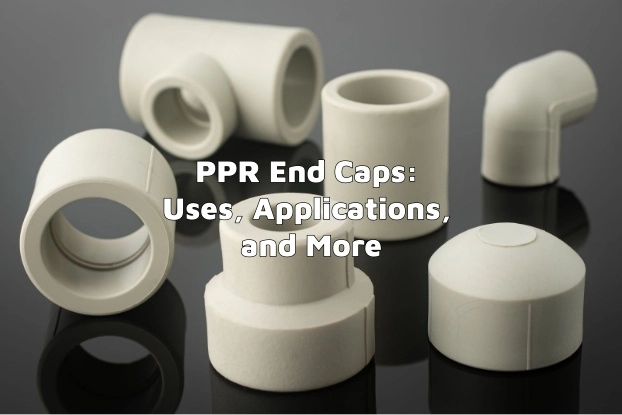
PPR end caps are essential because they seal the open ends of PPR pipelines and ensure the system maintains stable pressure. Whether for home plumbing or […]
The top fiberglass pipe suppliers in 2025 are companies known for proven durability, dependable product standards, and strong support for industrial and municipal applications. Fiberglass reinforced […]
Choosing the right pipe insulation thickness is essential for maintaining temperature control, improving energy efficiency, and preventing system damage. The correct insulation thickness depends on factors […]
PPR fiber glass piping is one of the most reliable solutions for outdoor plumbing because it delivers strong insulation performance, durability, and stability under extreme temperature […]
Butt fusion and electrofusion are two primary methods for joining PPR and PE pipes. Butt fusion heats pipe ends directly and presses them together, while electrofusion […]
High-quality electrofusion pipe fittings differ from inferior ones in material composition, manufacturing precision, and fusion performance. Premium fittings use certified raw materials and precise heating wire […]
A PPR male threaded elbow provides a 90-degree directional change in piping systems while offering an external brass thread for equipment connection. The fitting combines heat […]
A PPR male threaded tee combines polypropylene pipe connections with an external brass thread for equipment attachment. The grip strength and safety of this fitting depend […]
PPR Tee fittings are one of the most essential connectors in any plumbing system. They allow pipes to branch or merge, directing water flow efficiently and […]
The main difference between a PPR Male Coupling and a PPR Female Coupling lies in their thread type — male couplings have external threads that insert […]
A PPR coupling is a small but essential connector used to join two PPR (Polypropylene Random Copolymer) pipes together for a seamless, leak-proof flow. It’s a […]
Choosing the right PPR pipes & fittings suppliers in UAE is crucial for ensuring safe, durable, and efficient plumbing systems—especially in the region’s extreme heat. In […]
When people ask, “Who is the best brass ball valve manufacturer in 2025?” the short answer is that there are several globally recognized brands leading the […]
In modern piping systems, PPR male elbows are more than just connectors; they are vital components that ensure smooth directional changes while maintaining system strength and […]
In piping systems, PPR couplings play a critical role in ensuring reliable and leak-free connections. Whether you’re working on residential, commercial, or industrial projects, selecting the […]
Desalination is a lifeline for regions facing freshwater scarcity, but the success of any plant depends heavily on the reliability of its piping systems. During the […]
Seawater transport systems present some of the toughest challenges for engineers and contractors. Saltwater’s high corrosiveness, combined with temperature fluctuations and biological growth, can quickly degrade […]
In today’s food and beverage industry, piping systems play a critical role in ensuring safe, hygienic, and efficient operations. From transporting water to handling acidic or […]
When choosing ball valves for plumbing or industrial piping systems, knowing and understanding the differences between brass and bronze ball valves can help you make a […]
A double union ball valve is a multipurpose and reliable type of valve that is widely used in piping systems, particularly when safe disassembly and proper […]
A PPR concealed valve is commonly used in modern plumbing systems to regulate water flow while remaining hidden inside walls. These valves not only save space […]
In today’s competitive construction and plumbing industries, finding a PPR Pipe Supplier you can trust is critical for long-term success. Whether you’re a contractor, distributor, or […]
When temperatures drop, one of the biggest concerns for contractors, builders, and facility managers is whether PPR pipes can freeze. Frozen pipes don’t just disrupt water […]
In modern agriculture and landscaping, choosing the best pipe for irrigation system projects is critical for efficiency and long-term performance. With growing demand for reliable farm […]
When selecting the right piping system for plumbing or industrial use, PPR Pipe Size is one of the most important factors to consider. Choosing the right […]
In today’s plumbing and piping systems, PPR Valve Types play a crucial role in ensuring safe, efficient, and leak-free operations. Whether you’re handling residential water supply, […]
When it comes to plumbing and piping systems, PPR Pipe Tools are essential for ensuring durability, efficiency, and leak-free performance. Even the best pipes and fittings […]
Quick Answer PPR pipe failures—joint leaks, cracks, and welding issues—usually trace back to poor installation or low-quality materials. Leaks at joints are the most common problem, […]
Quick Answer A high-quality PPR pipe starts with 100% virgin polypropylene random copolymer resin. Look for material from top-tier suppliers like Borealis or Hyosung. Certified pipes […]
Quick Answer A PPR 3 layer pipe is a high-performance piping solution made from Polypropylene Random Copolymer (PPR-C). It features a three-layer structure: a food-grade inner […]
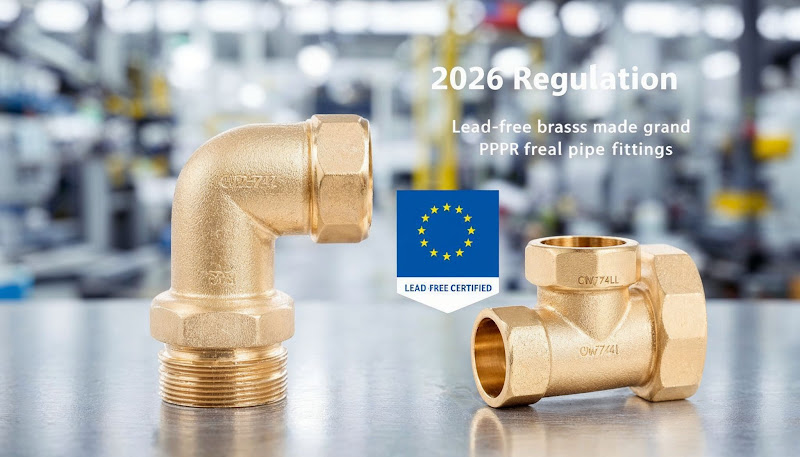
Quick Answer Lead-free brass fittings contain less than 0.25% lead by weight and meet U.S. Safe Drinking Water Act standards. Zero-lead brass fittings contain no added […]
When it comes to designing a reliable and efficient cooling pipe system, PPR (Polypropylene Random Copolymer) pipes stand out as a top-performing solution. Known for their […]
When it comes to natural gas lines, safety and material compatibility are non-negotiable. The type of pipe used for natural gas lines must meet strict standards […]
When planning any plumbing project, choosing the right pipe material is critical. Each type of pipe comes with unique strengths and limitations, which can impact your […]
Polypropylene Random Copolymer piping, or PPR pipe, is widely known for its role in plumbing, HVAC, and industrial fluid systems. But can it handle compressed air? […]
Finding reliable brass pipe fittings suppliers can make or break the performance of your plumbing, HVAC, or industrial systems. The best suppliers offer precision-engineered fittings, high-quality […]
Getting PPR pipes connected isn’t rocket science—but it’s also not something you want to wing. A solid, well-made joint means fewer leaks, less downtime, and a […]
Quick Answer PPR pipes offer a long service life, strong thermal and pressure resistance, and safe, food-grade hygiene for plumbing and industrial systems. However, they have […]
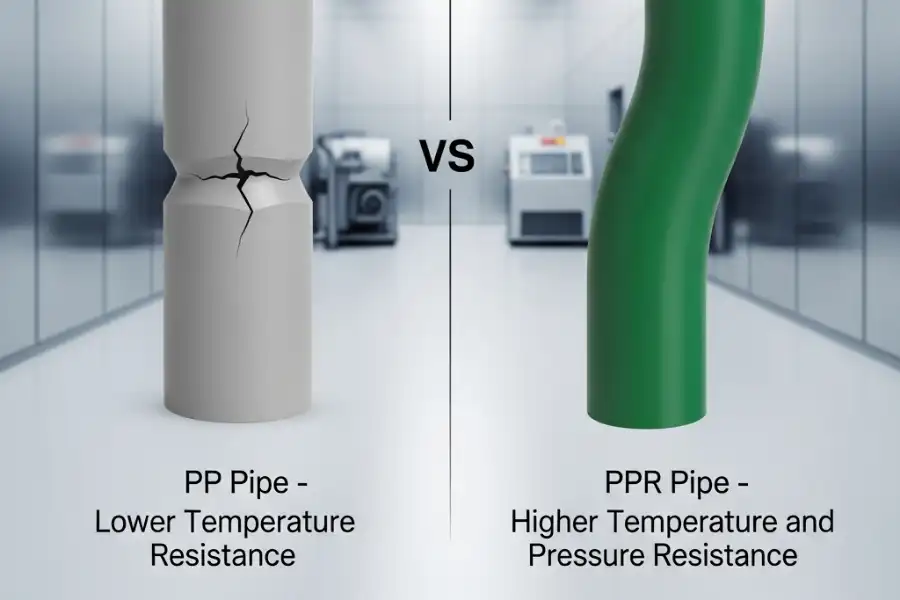
Quick Answer PP and PPR pipes both use polypropylene, but they differ in molecular structure and performance. PPR, a random copolymer, handles continuous hot water up […]
Quick Answer UV rays cause photodegradation in plastic pipes, leading to cracking, color loss, and reduced strength. Unprotected pipes can lose up to half their impact […]
Quick Answer Standard PPR pipe lengths are 4 meters and 6 meters. These sizes balance transport ease, storage, and fitting compatibility. Most projects use these standard […]
Quick Answer Brazil’s PPR pipe market is led by five key manufacturers: Tigre, Amanco Wavin, Fortlev, Krona, and Asperbras. Each offers standard PPR lines but lacks […]
Quick Answer Jordan’s PPR pipe market is served by five key local manufacturers: KJ PLAST, AlTayseer, Albosta, Al-Rajhi, and S&M. These companies produce or distribute PPR […]
Quick Answer Mexico's PPR pipe market relies on local giants like Rotoplas, Tigre, PTM, and Amanco Wavin, but these manufacturers often lack advanced products such as […]
Quick Answer Uruguay’s PPR pipe market includes local manufacturers like PLASTIDUCTO, but many distributors still rely on imports for certified, corrosion-resistant systems. DESO Group, a leading […]
Quick Answer Oman’s PPR pipe market relies on five key local manufacturers: Al Mawarid, Tariq Pipe Factory, OMANTECH, Eurotherm, and Techno Plastic Industry. Each offers specific […]
Quick Answer A PPR fiber composite pipe is a three-layer pipe with an inner and outer PPR layer and a fiberglass-reinforced middle layer. This structure significantly […]
Quick Answer PPR electrofusion fittings join pipes using built-in electrical coils that melt and bond materials under pressure. This creates a homogenous, leak-free joint with no […]
Quick Answer To judge whether PPR pipe fittings are qualified, evaluate material quality, dimensional accuracy, pressure performance, and certification compliance. Check for premium raw materials like […]
Quick Answer White PPR pipe fittings support fire water systems with flame retardancy, pressure resistance, and corrosion-free durability. DESO pipe, a leading manufacturer of custom PPR […]
Quick Answer The Charpy impact test for plastics measures the energy a notched specimen absorbs before breaking. A swinging pendulum strikes the sample, revealing toughness and […]
Quick Answer DVGW certification is a mandatory compliance requirement for PPR pipe systems used in German plumbing projects. The DVGW (German Technical and Scientific Association for […]
Quick Answer PPR pipes are manufactured from polypropylene random copolymer (PP-R) through a precise extrusion process. The melt temperature is controlled between 200°C and 220°C. Pipes […]
Quick Answer PPR pipes and fittings lead modern agri-irrigation systems due to their durability, water-saving performance, and corrosion resistance. They use heat-fusion welding to eliminate leak […]
Quick Answer PPR pipe trends center on sustainability, smart technology, and higher pressure ratings. Key innovations include real-time monitoring systems, eco-friendly manufacturing, and large-diameter applications up […]
Quick Answer AENOR certification verifies that PPR pipes meet rigorous UNE, EN, and ISO standards for mechanical strength, thermal performance, and chemical resistance. The process includes […]
Quick Answer WRAS certification proves a product complies with UK water supply regulations. It is legally required for any product connected to public drinking water. The […]
Quick Answer Choosing the right PPR pipe manufacturer in Saudi Arabia depends on certifications, production capacity, product range, after-sales support, and delivery time. Top local brands […]
Quick Answer A 45-degree elbow creates a gentler turn with lower flow resistance, while a 90-degree elbow shifts direction sharply and fits tight spaces. The 90-degree […]
Quick Answer PPR pipes support eco-friendly plumbing through a 50+ year lifespan, 100% recyclability, and low thermal conductivity that cuts energy use. They resist corrosion and […]
Quick Answer PPR pipes are polypropylene random copolymer pipes known for strength, temperature resistance, and corrosion protection. They last over 50 years and resist high pressure […]
Quick Answer PPR pipe underground systems resist corrosion, prevent leaks, and last over 50 years. Heat fusion welding creates seamless, leak-proof joints stronger than the pipe […]
Quick Answer The EU Drinking Water Directive (2020/2184) cuts permissible lead in drinking water from 10 µg/L to 5 µg/L. This forces PPR fitting manufacturers to […]
Quick Answer A PPR aluminum composite pipe is a multilayer piping system combining polypropylene with a central aluminum layer. It handles temperatures up to 95°C and […]
Quick Answer When choosing a PPR pipe supplier, ask about certifications, production capacity, quality control, and after-sales support. A reliable manufacturer holds ISO 9001, ISO 14001, […]
Quick Answer The five most important PPR pipe trade shows in South America for 2025-2026 are ExpoFerretera (Argentina, August 2025), FESQUA (Brazil, September 2026), Expo Nacional […]
Quick Answer PPR pipes outperform copper for most modern plumbing systems due to lower cost, corrosion resistance, and easier installation. PPR never rusts, lasts 50+ years, […]
Quick Answer DESO Pipe, a leading manufacturer of custom PPR pipe and fitting, produces pipes from 20mm to 160mm using premium raw materials from HYOSUNG (Korea) […]
Quick Answer PPR pipe demand in the Philippines is growing over 6% annually through 2027. Top local manufacturers include Atlanta Industries, Neltex, Moldex, and Wavin. Atlanta […]
Quick Answer Thailand’s pipe manufacturing industry is expanding, driven by construction and infrastructure development. The market includes local retailers like HomePro and THAI WATSADU, plus brands […]
Quick Answer Southeast Asia hosts eight major PPR pipe trade shows in 2025. Key events include PhilConstruct Visayas (Philippines, June 19-21), VietBuild Ho Chi Minh (Vietnam, […]
Let’s Turn Knowledge into Action
FAQS
1Are you a manufacturer or trading company?
We're a professional manufacturer in China, and have been in this field for over 20 years. OEM/ODM customization options. Quotation within 24h
2How long is the delivery time?
15-30 days after receiving deposit
3Is it possible to get samples from your factory?
Yes, free samples will be sent if needed, but the freight can be negotiated or chargeable, it will be refunded after confirmation of the order.
4What’s your after-sales service like?
We provide comprehensive after-sales support to ensure your complete satisfaction:
1. Technical Support - Dedicated engineers available 24/7 to assist with installation, troubleshooting, or product queries.
2. Quality Guarantee - 10-year warranty on all PPR pipes and fittings against manufacturing defects.
3. Replacement Policy - Free replacement for defective products (verified within 30 days of delivery).
4. Ongoing Assistance - Regular follow-ups to monitor product performance and address any concerns.
5. Custom Solutions - Specialized support for OEM clients, including product adaptation and logistics coordination.