


Due to its longevity, high temperature resistance, and corrosion resistance, plumbing and water supply systems use PPR pipes. PPR pipes leak like other plumbing materials if incorrectly installed, worn, or broken. Leaks damage structures and raise power bills. This article discusses common PPR pipe leak causes and treatments.
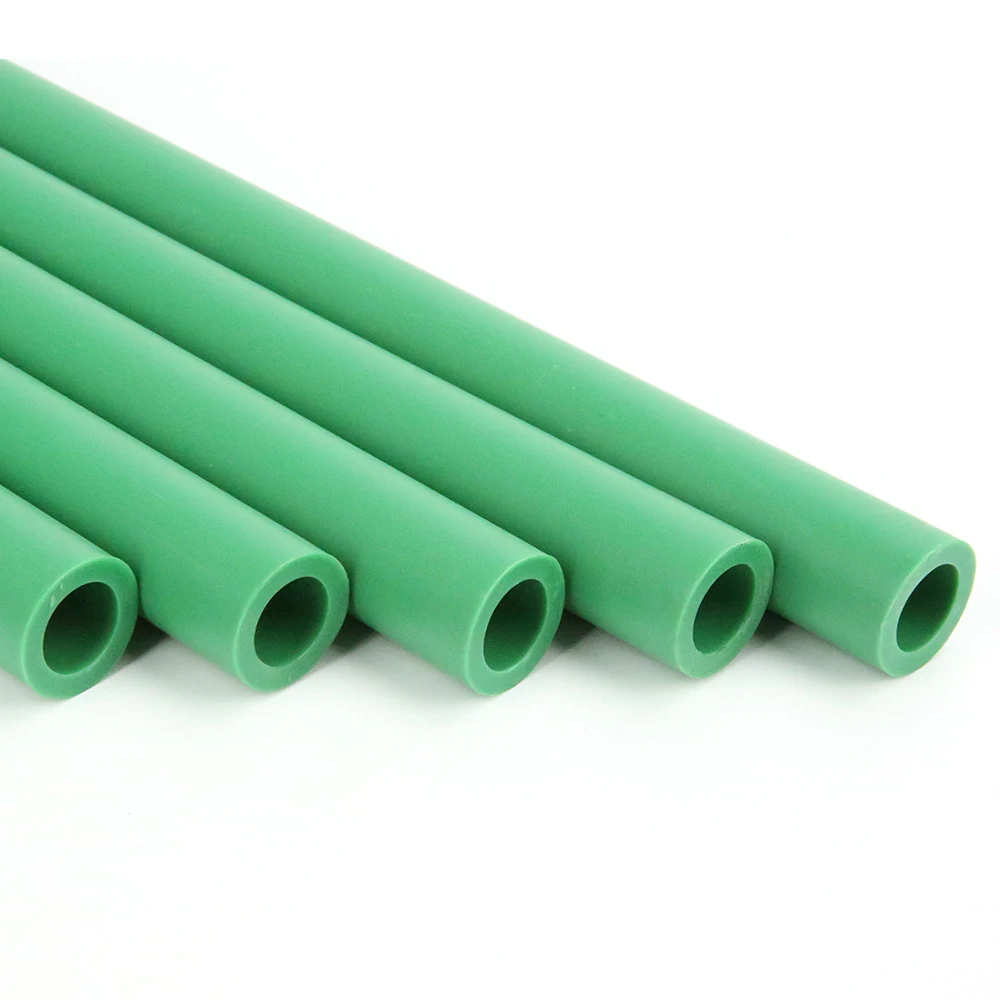
Common PPR Pipe Leak Causes
Understanding the leak’s cause is crucial before fixing it. Common PPR pipe leak causes include:
Poor Installation – Weak connections from improper welding or pipe fittings might leak over time.
Overpressure — PPR pipes have a limit. Pressure beyond their capacity might create fractures or leaks.
PPR pipes may be damaged by construction, drilling, and large items.
Age and Wear — Even high-quality PPR pipes decay, causing tiny leaks.
Poor Sealing – Water might leak from loose fittings.
After learning the causes of leaks, let’s remedy them.

How to Stop PPR Pipe Leaking
A PPR pipe leak may be fixed in numerous methods, depending on its severity and location. Some excellent solutions follow.
1. Tighten loose joints
Look for loose pipe joints if the leak comes from one. Wrenching fittings softly. Too much tightness might hurt.
2. Welding using PPR
For modest joint or connection leaks, re-welding the PPR pipe may be ideal. So how:
Step 1. Cut the leaking part using a pipe cutter.
Step 2: Heat the pipe and fitting ends using a PPR welding machine.
Step 3: Join the heated ends and let them cool for a leak-proof junction.
It works for tiny leaks but needs a PPR welding tool.
3. Pipe Sealant/Teflon Tape
If a threaded fitting leaks slightly, pipe sealant or Teflon tape may temporarily seal it. Follow these steps:
- Turn off water.
- Remove leaky joint.
- Tape male threads 4-5 times with Teflon.
- Reassemble and secure the joint.
This procedure fixes small leaks quickly but may not work for major damage.
4. Epoxy Resin Small Crack Repair
Small leaks or hairline fractures may be temporarily repaired using epoxy sealer.
Step 1:turn off the water and dry the leak.
Step 2: Sand the surface for greater adherence.
Step 3: Apply epoxy glue to the crack and cure following manufacturer’s recommendations.
This is a temporary remedy; replacing the damaged piece is best.
5. Replace Pipe Damage
When other measures fail, replacing the damaged pipe segment is recommended for serious leaks.
Pipe Replacement Steps:
- Turn off the main water supply to stop leaks.
- Mark and remove the damaged area using a PPR pipe cutter.
- Create a matching-sized PPR pipe.
- Connect the new pipe to the system using PPR welding.
Before turning on the water, let the welded portion cool.
6. Pipe Clamp Emergency Fixes
An emergency pipe clamp or hose clamp with rubber cushioning may block the leak until repairs can be done.
- Patch the leak with rubber.
- Secure using metal pipe clamps.
- To prevent water loss, tighten the clasp.
This temporary fix should be followed by a permanent one.

Conclusion
Leaking PPR pipes may be stopped according on their severity and location. Minor leaks may be fixed by tightening joints or applying sealants, while severe leaks may need re-welding or pipe replacement. Maintaining and installing PPR pipes properly helps avoid leaks and extend their lifetime.
You can keep your plumbing system leak-free and efficient for years by following these repair and preventative procedures.

🔎 Related Blogs You Might Like
PPR Fittings Lifespan: Tips for Long-Lasting Use
Discover preventive maintenance tips to avoid leaks and extend the working life of your pipe system.
Welding 101: How to Weld PPR Pipe Fittings?
Poor welding is a major cause of leaks — follow this guide to ensure strong, leak-proof connections.
PPR Cold vs. Hot Water Pipes: Any Difference?
Choosing the wrong pipe type for high-temp systems could lead to cracks or leaks — here’s how to avoid it.
Various types of PPR pipes Deso Pipe:


