Quick Answer PPR electrofusion installation is decided before the controller starts. The pipe end, insertion mark, scraped band and clamp set the outcome. Use eight checks: […]
Quick Answer Electrofusion is worth considering when the approved fitting covers your pipe material, diameter and wall series; the joint can be prepared, aligned and held […]
Quick answer Stock the PPR fitting types and sizes your customers order most frequently. You can use your upcoming project demand and sales history to identify […]
Quick Answer Generate a PPR fitting BOM by tracing the piping layout, identifying each connection, counting fittings by type and size, and checking the results against […]
Quick answer There is no fixed PPR pipe-to-fitting ratio for every project. Measure pipe by diameter from the project drawings and count fittings from the actual […]
Quick Answer A best PPR pipe welding machine must maintain a stable 260°C working temperature with a deviation no greater than ±3%. Thermal consistency is non-negotiable […]
Selecting a professional PPR pipe cutter is the fundamental first step in ensuring the integrity of a thermal fusion joint for any industrial or commercial piping […]
Selecting a professional PPR pipe welding machine requires matching technical heat precision with on-site durability to promote complete molecular fusion. This is important because it helps […]
Y-type pipe fitting is often the best choice for complex PPR branching because it reduces pressure loss, improves circulation efficiency, and lowers pump load compared to […]
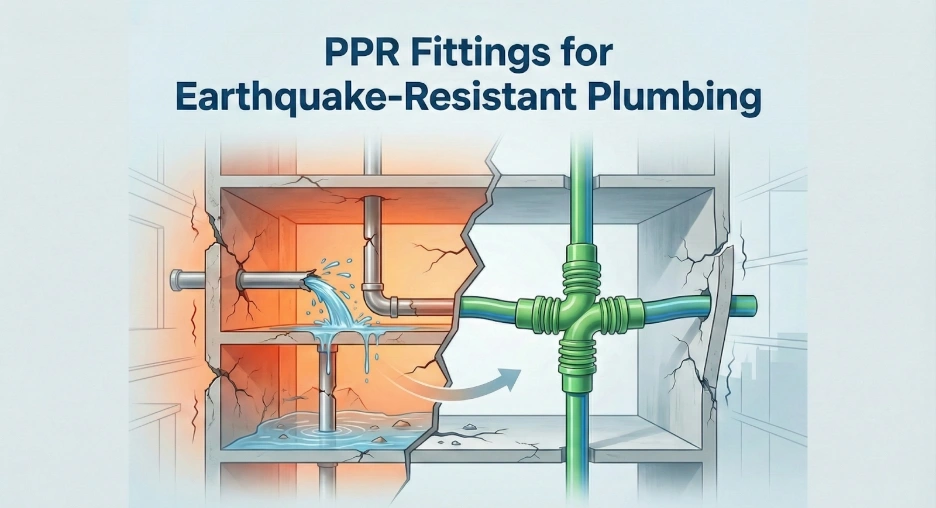
Seismic plumbing requires flexible materials so systems survive shaking without leaks or costly failures. This article explains how seismic forces stress plumbing and how using flexible […]
Brands and distributors often need product differentiation that catalog fittings cannot provide. This is where OEM PPR mould development becomes valuable, because it enables unique fittings […]
The reliability of a piping system is a main factor in determining the stability and sanitation of modern infrastructure. Choosing the right PPR pipes and fittings […]
Leaks in electro-fusion joints are preventable. Most failures come from poor preparation, incorrect parameters, or rushed installation. This guide explains how electro-fusion joints work, why leaks […]
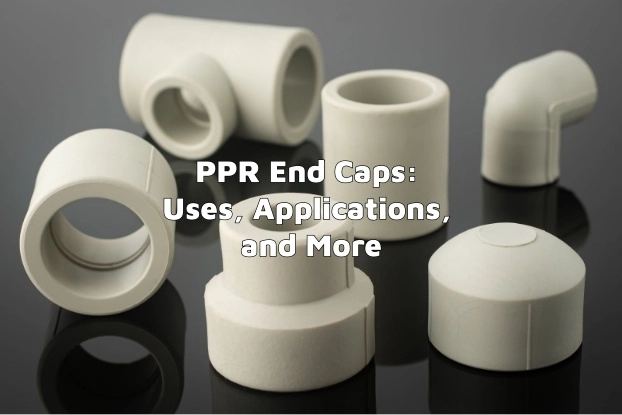
PPR end caps are essential because they seal the open ends of PPR pipelines and ensure the system maintains stable pressure. Whether for home plumbing or […]
Butt fusion and electrofusion are two primary methods for joining PPR and PE pipes. Butt fusion heats pipe ends directly and presses them together, while electrofusion […]
High-quality electrofusion pipe fittings differ from inferior ones in material composition, manufacturing precision, and fusion performance. Premium fittings use certified raw materials and precise heating wire […]
A PPR male threaded elbow provides a 90-degree directional change in piping systems while offering an external brass thread for equipment connection. The fitting combines heat […]
A PPR male threaded tee combines polypropylene pipe connections with an external brass thread for equipment attachment. The grip strength and safety of this fitting depend […]
PPR Tee fittings are one of the most essential connectors in any plumbing system. They allow pipes to branch or merge, directing water flow efficiently and […]
The main difference between a PPR Male Coupling and a PPR Female Coupling lies in their thread type — male couplings have external threads that insert […]
A PPR coupling is a small but essential connector used to join two PPR (Polypropylene Random Copolymer) pipes together for a seamless, leak-proof flow. It’s a […]
In modern piping systems, PPR male elbows are more than just connectors; they are vital components that ensure smooth directional changes while maintaining system strength and […]
In piping systems, PPR couplings play a critical role in ensuring reliable and leak-free connections. Whether you’re working on residential, commercial, or industrial projects, selecting the […]
Quick Answer Lead-free brass fittings contain less than 0.25% lead by weight and meet U.S. Safe Drinking Water Act standards. Zero-lead brass fittings contain no added […]
Quick Answer PPR electrofusion fittings join pipes using built-in electrical coils that melt and bond materials under pressure. This creates a homogenous, leak-free joint with no […]
Quick Answer To judge whether PPR pipe fittings are qualified, evaluate material quality, dimensional accuracy, pressure performance, and certification compliance. Check for premium raw materials like […]
Quick Answer White PPR pipe fittings support fire water systems with flame retardancy, pressure resistance, and corrosion-free durability. DESO pipe, a leading manufacturer of custom PPR […]
Quick Answer A 45-degree elbow creates a gentler turn with lower flow resistance, while a 90-degree elbow shifts direction sharply and fits tight spaces. The 90-degree […]
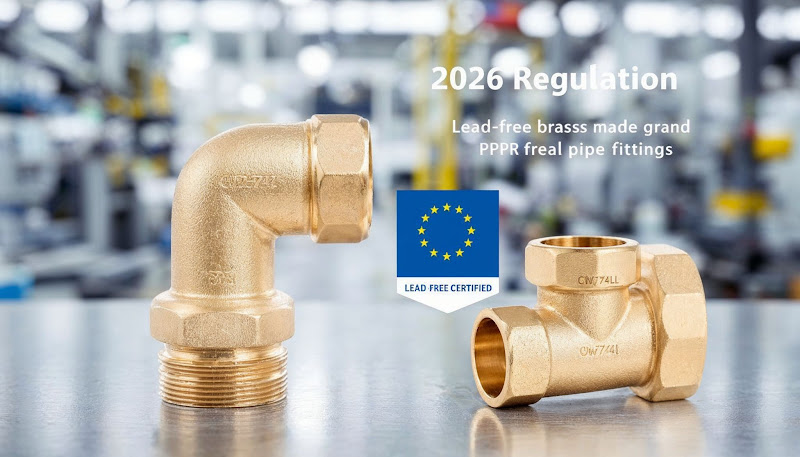
Quick Answer The EU Drinking Water Directive (2020/2184) cuts permissible lead in drinking water from 10 µg/L to 5 µg/L. This forces PPR fitting manufacturers to […]
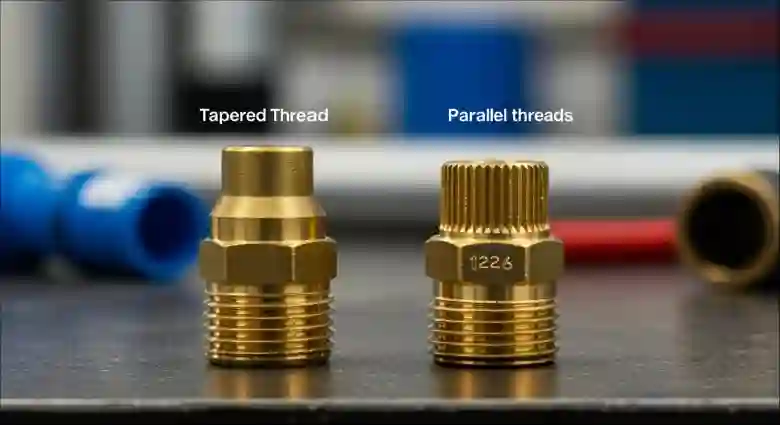
Quick Answer Tapered and parallel threads are the two main types used on threaded brass pipes. Tapered threads, like NPT and BSPT, have a conical shape […]
Quick Answer PPR pipe fittings can last over 50 years with proper care. Their durability comes from resistance to corrosion, heat, and pressure. Maintenance is key […]
Quick Answer Choosing the right PPR fitting depends on your system’s pressure needs, pipe size, and flow direction. The 15 essential types include couplings, elbows, tees, […]
Quick Answer PPR pipes are joined using heat fusion welding, not glue or threads. The process creates a seamless bond often stronger than the pipe itself. […]
Let’s Turn Knowledge into Action
FAQS
1Are you a manufacturer or trading company?
We're a professional manufacturer in China, and have been in this field for over 20 years. OEM/ODM customization options. Quotation within 24h
2How long is the delivery time?
15-30 days after receiving deposit
3Is it possible to get samples from your factory?
Yes, free samples will be sent if needed, but the freight can be negotiated or chargeable, it will be refunded after confirmation of the order.
4What’s your after-sales service like?
We provide comprehensive after-sales support to ensure your complete satisfaction:
1. Technical Support - Dedicated engineers available 24/7 to assist with installation, troubleshooting, or product queries.
2. Quality Guarantee - 10-year warranty on all PPR pipes and fittings against manufacturing defects.
3. Replacement Policy - Free replacement for defective products (verified within 30 days of delivery).
4. Ongoing Assistance - Regular follow-ups to monitor product performance and address any concerns.
5. Custom Solutions - Specialized support for OEM clients, including product adaptation and logistics coordination.