


When selecting the right piping system for plumbing or industrial use, PPR Pipe Size is one of the most important factors to consider. Choosing the right dimensions, pressure ratings, and specifications ensures durability, leak resistance, and long-term efficiency.
At Desopipe, we aim to simplify the selection process with this detailed buyer’s reference, helping contractors, engineers, and facility managers make informed decisions.
In this article, you’ll discover why PPR pipe size matters, explore a complete diameter chart with recommended applications, learn how to select the correct pressure rating, and explore the essential factors that influence the selection of the right pipe for your project. We’ll also answer some of the most common FAQs buyers ask before making a purchase.
Why PPR Pipe Size Matters
Getting the correct PPR pipe dimensions is critical for:
- Ensuring proper flow rate and water pressure.
- Preventing system failures or costly downtime.
- Matching pipes with fittings and valves seamlessly.
- Achieving compliance with building standards.
Standard PPR Pipe Dimensions
Choosing the right pipe size starts with understanding the available PPR pipe dimensions. Standardized sizing makes it easier for contractors and engineers to design systems that meet both flow requirements and installation standards. By knowing the nominal sizes, outside diameters, and corresponding applications, buyers can match the right pipe to their project with confidence.
Understanding PPR Pipe Diameter
PPR pipes are manufactured in a wide range of outside diameters (OD), typically from 20mm up to 160mm. The smaller
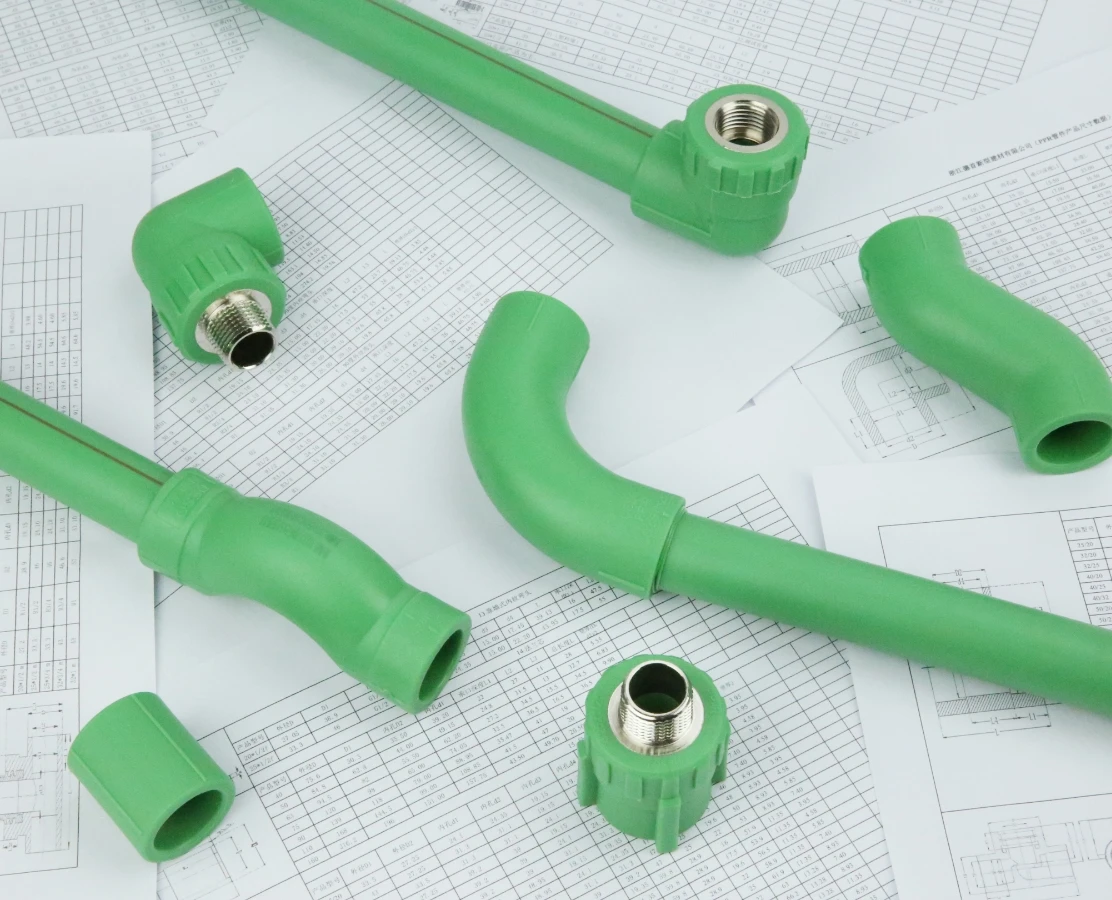
sizes are commonly used in residential plumbing systems for tasks like household water supply, while the medium and larger diameters are designed to handle the higher flow demands of commercial buildings, industrial facilities, and water distribution networks. This flexibility in sizing makes PPR pipes a reliable choice across different applications.
PPR Pipe Diameter Chart
Below is a simplified PPR pipe diameter chart showing common pipe sizes, outside diameters, and recommended applications:
| Nominal Size (DN) | Outside Diameter (mm) | Pressure Rating Options (PN) | Typical Applications |
| DN20 | 20mm | PN10 / PN16 | Residential plumbing, cold water supply |
| DN25 | 25mm | PN16 / PN20 | Household hot water, small-scale heating |
| DN32 | 32mm | PN16 / PN20 | Apartment complexes, small buildings |
| DN40 | 40mm | PN16 / PN20 | Commercial pipelines, schools, and offices |
| DN50 | 50mm | PN16 / PN20 / PN25 | Mid-sized water distribution, hospitals |
| DN63 | 63mm | PN20 / PN25 | High-rise buildings, commercial projects |
| DN75 | 75mm | PN20 / PN25 | Large facilities, industrial processing |
| DN90 | 90mm | PN20 / PN25 | Water mains, industrial supply lines |
| DN110 | 110mm | PN20 / PN25 | City water distribution networks |
| DN125–DN160 | 125–160mm | PN20 / PN25 | Industrial plants, heavy-duty systems |
This table gives buyers and installers a clear reference when matching PPR pipe size, dimensions, and pressure rating to their specific projects.
PPR Pipe Pressure Rating
Each pipe size corresponds to a PPR pipe pressure rating, which determines how much internal pressure it can safely handle. Desopipe typically supplies:
- PN10: Suitable for cold water supply systems.
- PN16: Common for hot and cold water pipelines.
- PN20: Recommended for higher-pressure applications, including industrial systems.
- PN25: Designed for the most demanding conditions.
Choosing the correct pressure class ensures your piping system operates safely and efficiently under expected load conditions.
Key Factors in Choosing the Right PPR Pipe Size
When selecting a PPR pipe, consider:
- Application: Is it for residential, commercial, or industrial use?
- Water Flow Requirements: Larger diameter pipes support higher flow rates.
- Temperature & Pressure: Match with the right pressure rating (PN class).
- Compatibility: Confirm that the pipe integrates correctly with matching PPR fittings and valves.
Advantages of Using Standardized PPR Pipe Sizes

- Easy Installation: Standard sizes mean fittings and accessories are widely compatible.
- Long-Term Durability: Correct sizing reduces stress on the pipe system.
- Cost Efficiency: Prevents over- or undersizing, which can lead to higher expenses.
Conclusion
Understanding PPR Pipe Size and specifications is crucial for any successful installation. From small residential water lines to complex commercial setups and large-scale industrial systems, the correct pipe diameter and pressure rating directly affect performance, safety, and long-term durability. Choosing wisely not only prevents costly failures but also ensures smooth operation and compliance with modern standards.
At Desopipe, we provide a full range of PPR Pipes and Fittings designed to meet diverse project requirements. Whether you’re an installer, contractor, or project manager, you can count on our products for quality, efficiency, and lasting value.

Key Takeaways
- Correct PPR pipe dimensions prevent costly errors and system failures.
- Confirm the correct PPR pipe pressure rating in advance to avoid system failures during installation.
- Standardized PPR Pipe Sizes make installations faster, safer, and more cost-effective.
FAQs
Q1: What are the standard PPR pipe sizes?
A1: The standard diameter range for PPR pipes is 20mm to 160mm, fitting the needs of residential, commercial, and industrial systems.
Q2: How can I determine the most suitable PPR pipe size for my project?
A2: Consider water flow, application type, and pressure requirements. Use a PPR pipe diameter chart as a reference.
Q3: What does PN mean in PPR pipes?
A3: PN refers to the pressure rating of the pipe. For instance, a PN16 rating indicates the pipe can withstand pressure levels of up to 16 bars.
Q4: Are PPR pipes suitable for hot water?
A4: Yes, depending on the pressure class. PN16 and PN20 rated pipes are commonly applied in both hot and cold water supply systems.
Q5: Where can I buy PPR pipes and fittings?
A5: You can explore Desopipe’s full PPR product line for pipes, fittings, and valves.


