


PPR (Polypropylene Random Copolymer) pipe fittings are renowned for their impressive lifespan, often exceeding 50 years under optimal conditions.
This durability stems from their resistance to corrosion, high temperatures, and pressure, making them a preferred choice in modern plumbing systems.
High-quality performance fittings ensure a secure and leak-proof connection, making them essential for long-lasting plumbing systems.
But the question is: How do you keep your PPR pipe fittings lasting a long time?
This article explores important maintenance tips for you to consider to keep your pipe fittings durable.

Why is it Important to Maintain PPR Pipe Fittings?
While PPR fittings are designed for longevity, regular maintenance is crucial to ensure they reach their full service life.
Proper upkeep prevents potential issues such as leaks, blockages, and system failures, which can lead to costly repairs and water damage.
By proactively maintaining your plumbing support system, you not only extend the lifespan of the fittings but also ensure the overall efficiency and safety of your plumbing infrastructure. If you want to order in bulk, contact us to lock in supply and get exclusive offers!
Factors Affecting the Lifespan of PPR Fittings
Several factors can influence the durability of PPR pipe fittings:

Quality of Installation
Proper alignment and secure fastening during installation prevent stress on joints, reducing the risk of leaks or failures.
Operating Conditions
Consistently exposing PPR fittings to temperatures or pressures beyond their rated capacities can accelerate wear and reduce their lifespan.
Environmental Exposure
Direct sunlight and UV radiation can degrade PPR materials over time, emphasizing the need for protective measures in outdoor installations.
For outdoor plumbing installations, UV-resistant PVC pipe and fittings are ideal because they prevent material degradation caused by prolonged sun exposure.
Chemical Interactions
Exposure to incompatible chemicals can compromise the structural integrity of PPR fittings, leading to premature failure.
How to Properly Maintain and Extend the Lifespan of PPR Fittings
To maximize the service life of your PPR pipe fittings, consider the following maintenance strategies:
Regular Inspection and Cleaning

Visual Checks: Periodically inspect fittings for signs of wear, discoloration, or damage. Finding out the issues early allows for timely interventions, preventing minor problems from escalating.
Cleaning: Keep fittings free from dirt, debris, and chemical residues. Use appropriate cleaning agents that do not react adversely with PPR materials.
Avoid Over-Tightening During Installation
Proper Torque Application: Adhere to manufacturer-recommended torque specifications when connecting fittings. Over-tightening can introduce stress points, leading to cracks or deformities.
Protect from UV Exposure
UV Shielding: For outdoor installations, use UV-resistant coatings or coverings to shield PPR fittings from direct sunlight, mitigating material degradation.
Ensure Appropriate Operating Conditions
Temperature and Pressure Compliance: Operate within the specified temperature and pressure ranges for your PPR fittings. Going beyond the capacity of the pipe fittings can compromise their structural integrity.
Pressure Fitting Selection: Choose fittings rated for the specific pressure requirements of your system to ensure safety and longevity.
Use Compatible Materials
Chemical Compatibility: Ensure that the fluids and cleaning agents in contact with PPR fittings are chemically compatible to prevent material degradation.
Proper Storage Practices
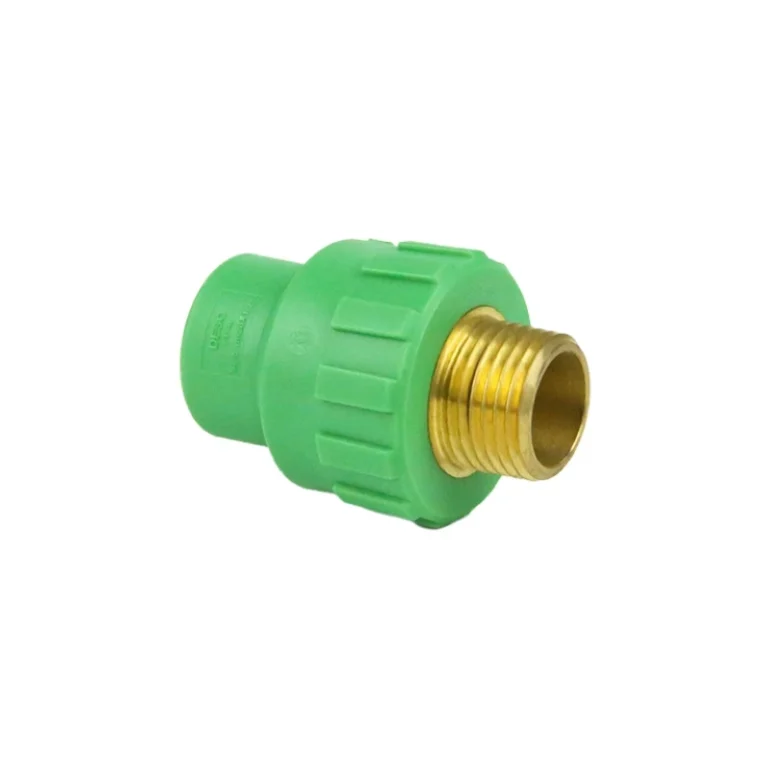
Controlled Environment: Store unused PPR fittings in a temperature-controlled environment, ideally between 5°C and 30°C, to prevent brittleness or excessive flexibility.
Avoid Direct Sunlight: Keep fittings away from direct sunlight during storage to prevent UV-induced degradation.
Professional Installation and Training
Qualified Personnel: Engage trained professionals for the installation of PPR fittings to ensure adherence to best practices and manufacturer guidelines.
Ongoing Education: Stay updated with the latest installation techniques and maintenance practices through regular training sessions.
Conclusion: PPR Fittings Lifespan
With proper maintenance, the PPR pipe lifespan can exceed 50 years, making it a cost-effective choice for residential and commercial plumbing.
However, achieving this longevity requires diligent maintenance, adherence to proper installation practices, and awareness of operating conditions.
By implementing the strategies outlined above, you can ensure the durability and reliability of your PPR fittings, safeguarding your plumbing infrastructure for decades.
When selecting PPR fittings, consider reputable manufacturers like DESO Group, known for producing durable products designed for a 50-year service life.
Their commitment to quality ensures that your plumbing systems remain robust and efficient over the long term.


