


Selecting the correct PPR plumbing fittings is crucial to ensuring a reliable and long-lasting piping system.
Piping and plumbing fittings connect pipes securely for efficient fluid transport without leaks or pressure loss.
That’s because the wrong choice can lead to system inefficiencies, increased maintenance, or even failures.
PPR fittings are known for their durability, resistance to high temperatures, and ability to withstand high-pressure applications.
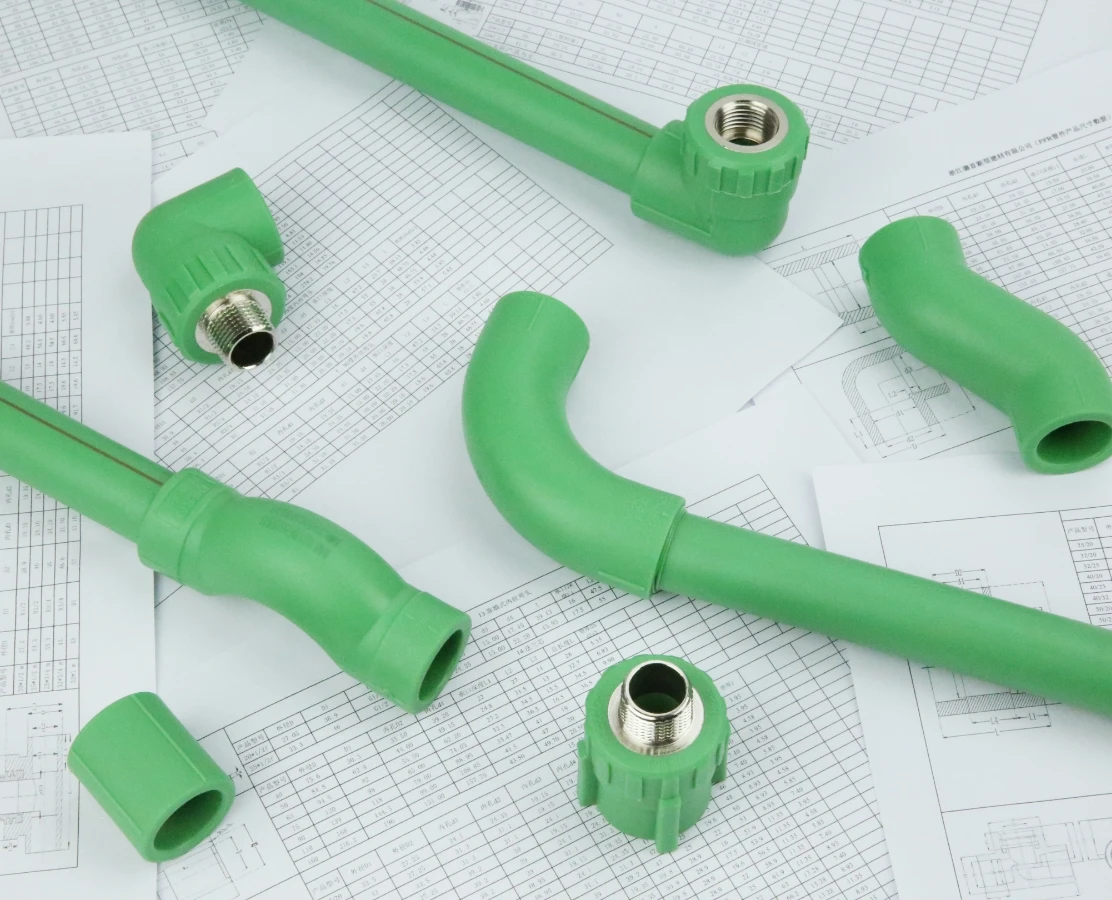
The types of PPR fittings vary based on function, ranging from connecting pipes to controlling flow direction and pressure.
Choosing the right plastic pipe fittings involves considering factors such as pipe size, pressure requirements, and the specific application, whether for residential, commercial, or industrial systems. If you want to order in bulk, contact us to lock in supply and get exclusive offers!

How to Choose the Right PPR Pipe Fitting for Your Project
Before selecting from a PPR fitting list, consider the following:
System Requirements
Identify whether the system is for hot or cold water and its pressure needs. High-pressure pipe fittings are required for demanding applications like industrial water transport.
Compatibility
Ensure that the fittings match the pipe size and material. Using the wrong fitting can lead to leaks or inefficiencies.
Flow Requirements
Some types of water pipes need specific fittings to manage directional changes or branch connections. PPR pipe elbows and PPR T fittings are essential for such configurations.
Quality Standards
Select fittings that comply with industry standards to ensure reliability and longevity. If you want to order in bulk, contact us to lock in supply and get exclusive offers!

15 Essential PPR Pipe Fitting Types for Your Various Needs
This pipe fitting guide explores each pipe fitting type and how each serves a distinct function in a piping system. Below are 15 types of PPR fittings, along with their advantages and features:
1. PPR Coupling

A PPR coupling joins two straight pipes, ensuring a leak-proof connection.
Advantages:
- Simple and effective way to extend pipe length
- Provides a seamless, leak-free connection
- Ideal for both hot and cold water systems
Features:
- Made from durable polypropylene random copolymer (PP-R)
- Heat fusion welding ensures strong, permanent bonding
2. PPR Pipe Elbow (90° and 45°)
PPR pipe elbows change the direction of the flow in a piping system.
Advantages:

- Helps in maneuvering around obstacles
- Reduces pressure loss compared to sharp turns in metal pipes
- Corrosion-resistant, ensuring long service life
Features:
- Available in both 90° and 45° angles
- Manufactured for smooth water flow without turbulence
3. PPR T Fitting (Equal and Reducing Tee)

A PPR T fitting allows for branch connections in types of water pipes.
Advantages:
- Creates additional outlets for system expansion
- Reduces pressure inconsistencies across branches
- Withstands high-pressure conditions
Features:
- Available in equal or reducing sizes
- Heat-fusion welded for leak-free performance
4. PPR Pipe Cap
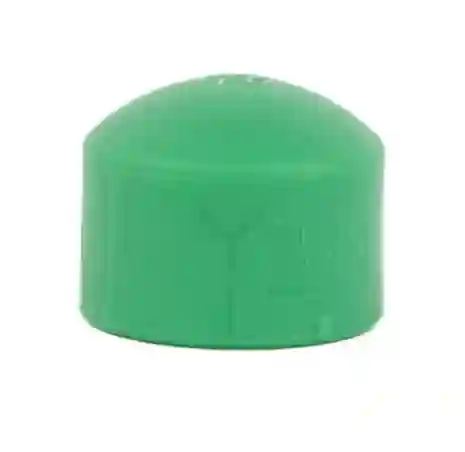
A PPR pipe cap seals off the end of a pipe, preventing contamination.
Advantages:
- Protects pipes from debris and blockages
- Essential for maintenance and temporary system closures
- Prevents leakage in non-active pipe sections
Features:
- Available in multiple sizes to fit various pipes
- Heat-resistant and corrosion-proof
5. PPR Reducer
This fitting connects pipes of different diameters for a smooth transition.
Advantages:

- A PPR reducer prevents sudden pressure drops
- Helps maintain steady water flow in a system
- Ideal for both residential and industrial piping
Features:
- Ensures a secure, stable connection
- Made from high-quality PP-R material
6. PPR Union
A PPR union allows for easy disconnection of pipes for maintenance.
Advantages:
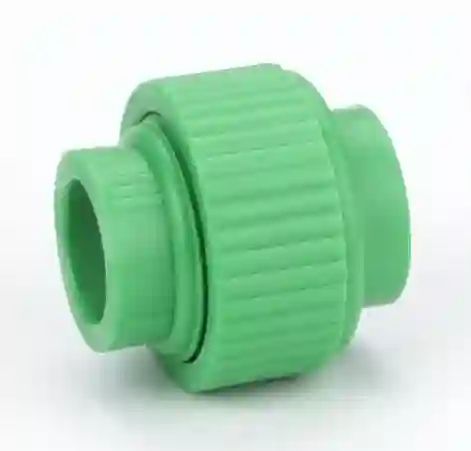
- Enables quick system modifications
- Allows for easy replacement of damaged sections
- Leak-proof connection with minimal pressure loss
Features:
- Threaded connection for easy removal
- Available in various sizes and pressure ratings
7. PPR Cross Tee
A cross tee connects four pipes at a single junction.

Advantages:
- Distributes water evenly in multiple directions
- Ideal for complex piping systems
- Reduces system stress by balancing flow
Features:
- Molded with high-pressure resistance
- Smooth interior surface prevents scale buildup
8. PPR End Cap with Thread
Similar to a PPR pipe cap, but with threading for easy removal.
Advantages:
- Can be detached and reused
- Provides secure sealing for temporary closures
- Prevents water leaks in inactive sections
Features:
- Threaded for convenient removal and reinstallation
- Designed to handle high temperatures and pressures
9. PPR Socket Fusion Fitting
PPR couplings (male or female) ensure strong, permanent bonds between pipes through heat fusion.
Advantages:
- Creates seamless connections without adhesives
- Prevents leaks and weak points
- Highly resistant to thermal expansion
Features:
- Made from durable PP-R material
- Designed for high-pressure water systems
10. PPR Female Thread Adapter
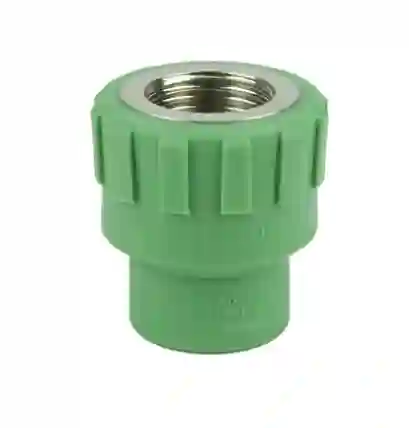
A PPR female thread adapter allows PPR pipes to connect with metal pipes or valves.
Advantages:
- Enables compatibility between different pipe materials
- Ensures a secure and leak-proof seal
- Corrosion-resistant for long-term performance
Features:
- Threaded brass insert for strong connections
- Withstands hot and cold water applications
11. PPR Male Thread Adapter
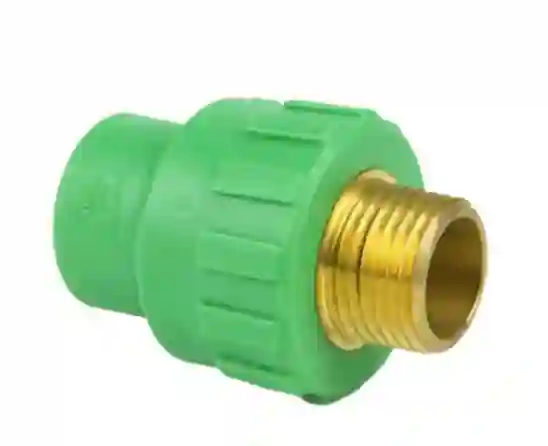
A PPR male thread adapter works similarly to the female adapter but with external threading.
Advantages:
- Provides a tight seal for mixed-material systems
- Used for connecting PPR pipes to metal components
- Reduces risk of leaks at joint connections
Features:
- Reinforced with brass inserts
- Designed for both industrial and household plumbing
12. PPR Ball Valve

A PPR ball valve regulates water flow efficiently.
Advantages:
- Offers precise flow control
- Durable and resistant to corrosion
- Minimal maintenance required
Features:
- Equipped with a smooth-turning lever
- Can withstand high-pressure water flow
13. PPR Clamp Saddle
Also known as a low foot pipe clamp, this PPR fitting is used to create additional outlets from existing pipes.

Advantages:
- Cost-effective branching solution
- Allows easy tapping into existing lines
- No need for complete pipe replacement
Features:
- Quick installation with heat fusion or clamps
- Strong structural integrity
14. PPR Check Valve
A check valve ensures one-directional water flow.
Advantages:
- Prevents backflow, reducing contamination risks
- Maintains steady water pressure
- Essential for fire protection and potable water systems
Features:
- Self-activating mechanism for automatic operation
- Made from non-corrosive, durable materials
15. PPR Flange Adapter
Connects PPR pipes to larger piping systems using flanges.

Advantages:
- PPR flange adapters facilitate easy maintenance and disassembly
- Supports heavy-duty industrial applications
- Provides secure, high-pressure connections
Features:
- Heat-fusion welded for a reliable bond
- Available in multiple sizes and pressure ratings
Conclusion: Types of PPR Fittings
Selecting the right PPR plumbing fitting types is essential for ensuring an efficient and leak-proof piping system.
From PPR couplings to PPR T fittings, each component plays a vital role in maintaining the durability and performance of types of water pipes in various applications.
For high-quality plastic pipe fittings, DESO Group offers a range of PPR fitting list options designed for piping and plumbing fitting solutions.
Their products meet international standards, ensuring long-lasting performance in residential, commercial, and industrial projects.

Why Global Top 10 PPR Pipe Brands Choose DESO?
| Key Factors | DESO | Others |
|---|---|---|
| International Certifications (ISO, WRAS, CE) | ✅ Full Set | ⚠️ Partial or None |
| Premium Raw Materials | ✅ Borealis & Hyosung | ❌ Recycled / Low-grade |
| Guaranteed Delivery Time | ✅ 100% On-Time in 5 Years | ❌ Uncertain |
| OEM Support: Branding & Packaging | ✅ Color, Logo, Manuals in 7 Days | ❌ Weak or None |
| Technical Match & Mold Flexibility | ✅ 500+ Molds / Custom Options | ❌ Limited Compatibility |
🔎 Related Blogs You Might Like
Welding 101: How to Weld PPR Pipe Fittings?
Step-by-step guide to welding techniques for PPR fittings — ideal for installers and engineers.
PPR Fittings Lifespan: Tips for Long-Lasting Use
Discover key practices that extend the durability and performance of PPR fittings in various systems.
Industrial Application Scenarios for PPR Pipes
See how different PPR fittings are used in commercial buildings, HVAC, factories, and more.


