


A PPR pipe for chilled water system won’t corrode, rust, or degrade when exposed to moisture and temperature swings. Metal pipes will. In HVAC environments where condensation is constant and thermal cycling never stops, that difference determines whether a system lasts 15 years or 50.
What Chilled Water Systems Put Pipes Through
Chilled water loops run cold, usually between 4°C and 12°C. But systems don’t stay at steady temps. Shutdowns happen, mode switches happen, and in 2-pipe setups especially, temperatures can swing from chilled to ambient to heating range and back again.
Temperature Cycling
Every swing means expansion and contraction, and metal joints take the hit. Over the years, micro-fractures develop at connection points. Small at first, then leaks start showing up in places no one expected.
PPR moves with temperature changes instead of resisting them. Joints stay sealed because the material absorbs stress rather than cracking under it.
Condensation Buildup
Chilled pipes sit below dew point, so moisture forms on the surface. In humid facilities, it soaks into insulation and pools against the pipe.

Metal rusts when that happens. It corrodes slowly from the outside in, hidden under the insulation where no one sees it until the damage is done. Corrosion Under Insulation is the technical term, and sudden failure is usually how it ends.
PPR ignores moisture completely. Water sits on the surface, evaporates, comes back, and none of it matters. No rust, no degradation, no hidden damage building up over time.
How PPR Performs in Cold, Wet Conditions
Cold makes most plastics brittle. PVC cracks, and other polymers stiffen and lose impact resistance.
PPR stays flexible even in freezing mechanical rooms and after years of low-temp operation.
| Property | PPR Performance |
| Operating temperature range | -20°C to 95°C |
| Pressure resistance (PP-R CT) | 25% higher than standard PP-R |
| Linear expansion (fiberglass-reinforced) | Up to 70% lower than standard PPR |
| Service lifespan | 50+ years at continuous operation |
| Corrosion resistance | 100% immune to rust and scaling |
Beyond flexibility, a few other properties matter for chilled water work:
- Low thermal conductivity means less heat transfer through the pipe wall, so condensation forms slower on the surface
- Smooth interior walls don’t collect scale or buildup over time
- Fiberglass-reinforced versions reduce linear expansion by up to 70%, keeping long horizontal runs from sagging or shifting
Pairing the right pipe with proper insulation thickness handles most condensation concerns before they start.
PPR vs Metal: Where the Real Costs Show Up
Metal might cost less upfront, but maintenance, chemical treatments, inspections, and early replacements add up over the life of a system.
Corrosion and Scaling
Metal pipes scale inside and rust outside. Both require ongoing attention and budget.
A PPR pipe for chilled water system doesn’t scale or rust. It doesn’t need chemical treatment or protective coatings. Install it and move on.
Insulation Compatibility
PPR bonds cleanly with foam and fiberglass insulation. The smooth surface doesn’t react with common wraps, and moisture doesn’t get trapped underneath.
Metal is different. Condensation collects between pipe and insulation, the wrap degrades over time, efficiency drops, and eventually someone has to tear it all out and start over.
Joint Reliability
Heat fusion welding melts PPR components together at the molecular level, so the joint ends up as strong as the pipe itself. No threads to loosen, no welds to crack.
Metal joints need regular inspection because they’re potential failure points from day one.
Installation Speed
PPR weighs less and doesn’t require torches or welding certifications on site. Cooling system pipes go in faster, which means the HVAC system comes online sooner.
Energy Efficiency
Metal conducts heat, so chilled fluid warms up as it travels through the pipe and chillers work harder to compensate.
PPR doesn’t conduct heat the same way. More cooling stays in the fluid where it belongs, and over a 50-year lifespan those efficiency gains add up.
What DESO Brings to HVAC Piping
DESO builds PPR systems specifically for industrial cooling and HVAC applications, with a focus on material quality and system-wide compatibility.
Virgin Raw Materials
All DESO products use 100% virgin raw materials from Borealis and Korea Hyosung. Recycled content causes problems like:
- Inconsistent melt flow during fusion welding
- Weaker long-term pressure resistance
- Faster aging and breakdown
Virgin material means every batch performs the same way.
Composite Pipe Options
Standard PPR works for most applications, but HVAC systems sometimes need more.
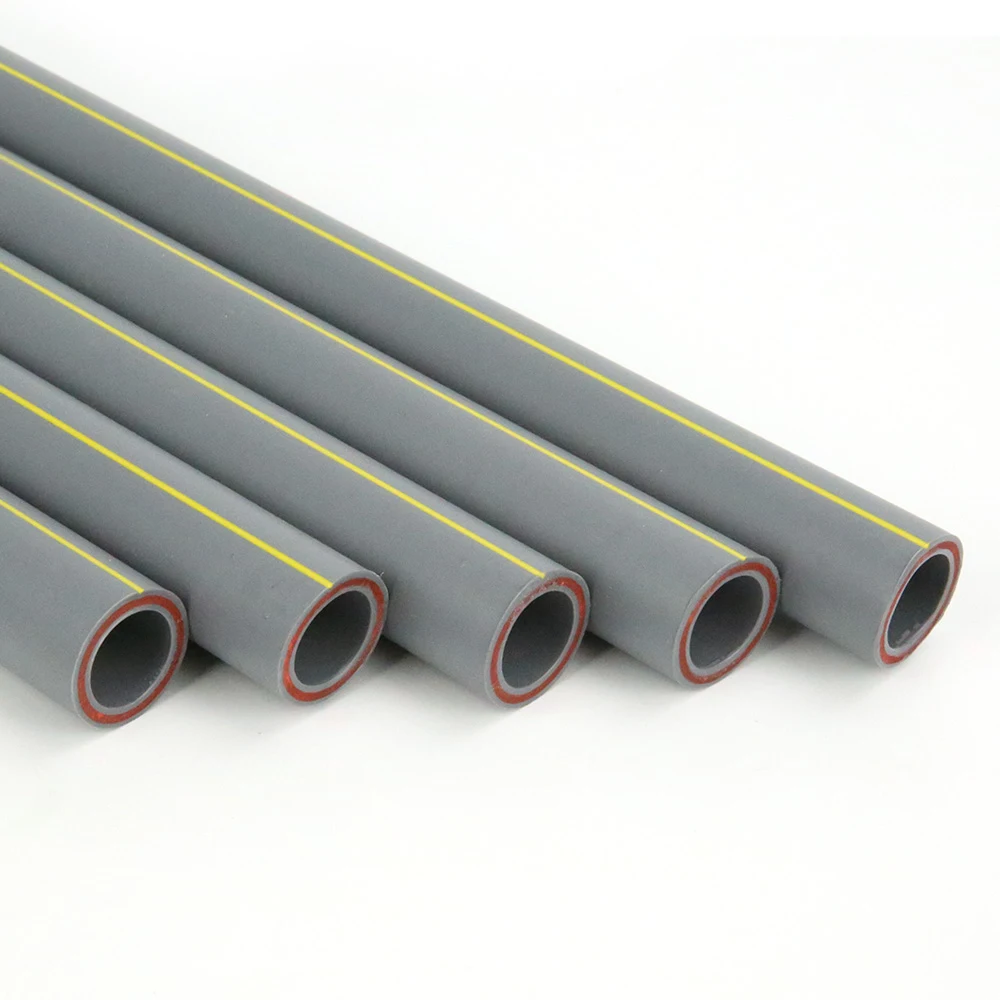
PPR Fiber Composite has a fiberglass-reinforced core sandwiched between PPR layers. It’s stiffer and holds up well in high-rise risers, large-diameter mains, and even outdoor or exposed piping runs.
Aluminum Composite PPR adds a metal layer in the center that acts as a full oxygen barrier. It keeps air out of closed-loop systems where ingress would damage boilers and chillers over time.
Fittings Compatibility
Using PPR fittings in HVAC systems from the same manufacturer eliminates guesswork. Expansion rates match across the whole network, and joint performance stays consistent everywhere.
DESO pipes, fittings, and valves all come from one system, so there are no compatibility issues or mismatched materials causing problems years down the line.
Where PPR Makes the Most Sense
PPR works in most chilled water applications, but some environments benefit more than others.
Large commercial buildings like hotels, hospitals, and office towers see the biggest gains. These facilities run HVAC systems year-round, which means constant thermal cycling and condensation exposure. PPR’s durability pays off over decades of continuous use.
Data centers are another strong fit. Cooling systems run nonstop, humidity control is critical, and downtime from a pipe failure costs more than most repairs. PPR removes corrosion from the equation entirely.
Industrial facilities that handle chemicals or food processing also benefit. PPR doesn’t react with cleaning agents or sanitation chemicals the way metal can, and the smooth interior walls meet hygiene standards without extra coatings.
For smaller residential jobs, the cost difference matters less. But for any project where the system runs hard and long-term reliability is the priority, PPR is the safer bet.
What This Means for Contractors
PPR handles everything chilled water systems throw at it, from temperature swings to constant moisture exposure. No corrosion, no condensation damage, no joint failures. Just 50 years of reliable service with minimal maintenance.
For contractors and facility managers looking at long-term value, it’s the practical choice for modern HVAC infrastructure.


