


In today’s industrial landscape, finding the right piping system isn’t just about transporting fluids—it’s about ensuring safety, performance, and long-term reliability. That’s where PPR (polypropylene random copolymer) pipes come in. Known for their strength, temperature resistance, and corrosion protection, PPR pipes are fast becoming the preferred choice across multiple industries.
In this article, we’ll explore key industrial piping solutions, explain how PPR systems outperform traditional materials, and show you where DESO Group delivers value as a world-class PPR pipe manufacturer.
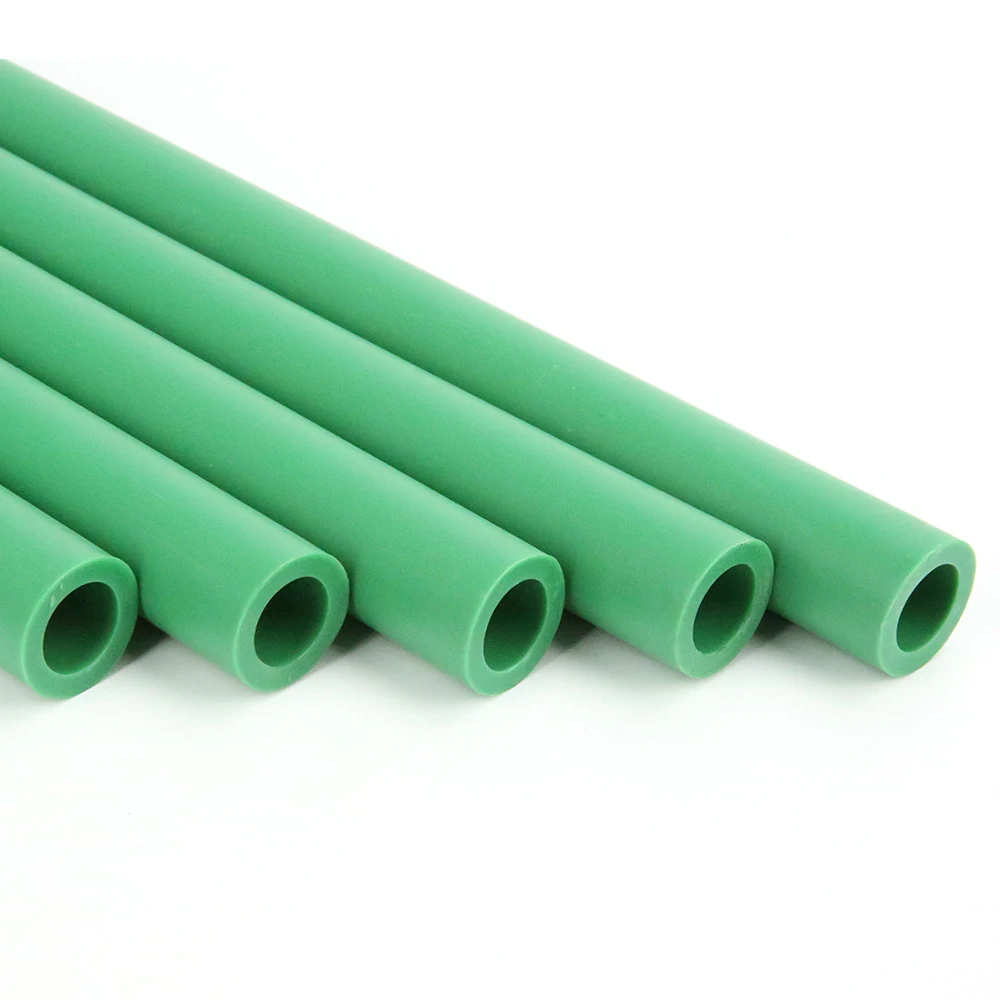
Why PPR Pipes Are a Game Changer in Industrial Piping

PPR pipes are durable, lightweight, and resistant to high pressure and temperature. Industries that depend on clean, efficient fluid transport offer lower maintenance and longer service life than steel or copper alternatives. That’s why industrial piping solutions increasingly rely on them for both new builds and infrastructure upgrades.
Key Benefits:
- Excellent corrosion resistance
- High pressure and heat tolerance
- Smooth internal surface for reduced flow resistance
- Long life cycle of 50+ years
Chemical Industry: Safety Under Pressure
Safety and durability are non-negotiables in chemical processing plants. PPR pipes from DESO resist aggressive chemicals like acids, alkalis, and solvents without reacting or degrading. Their seamless, leak-free joints reduce risk in high-stakes environments, while their ability to maintain structural integrity under high temperatures makes them ideal for volatile fluid transport.
Performance in focus:
- Non-reactive and corrosion-proof
- Reduced risk of leakage or pressure failure
- Compatible with heat fusion welding
Construction Sector: Modern Infrastructure Demands Modern Pipes

From high-rise buildings to commercial complexes, industrial piping supply in construction needs to meet health, efficiency, and durability standards. PPR pipes support HVAC systems, potable water lines, and compressed air systems. Their thermal insulation properties help reduce energy loss, and their installation flexibility means shorter project timelines.
Why builders choose PPR:
- Safe for hot and cold potable water systems
- Energy-efficient with minimal thermal conductivity
- Quick and easy installation process

Food Processing: Hygienic and Heat-Stable
The food industry requires high-hygiene materials that withstand regular cleaning and sterilization. DESO’s PPR pipes offer a smooth, non-toxic interior surface that won’t harbor bacteria or affect taste. Plus, they maintain shape and function under the heat of cooking and processing environments.
Key advantages:
- Compliant with food-grade standards
- Resistant to high-temperature washdowns
- No internal scaling or bacterial growth
Pharmaceutical Production: Purity at Every Stage
Even small contamination risks are unacceptable in pharmaceutical manufacturing. PPR pipes are ideal for these sterile environments due to their hygienic surfaces, fusion welding capabilities, and resistance to chemical interactions. They also allow for easy cleaning and maintenance, ensuring uninterrupted production.
Advantages in pharma settings:
- No reaction with chemical or medical fluids
- Easy to clean and sterilize
- Prevents cross-contamination
Catering and Hospitality: Clean Water and Reliable Performance
Large commercial kitchens and hospitality facilities rely on industrial piping solutions for stable hot and cold water delivery. DESO’s PPR piping ensures consistent pressure and temperature without corrosion or leaching. This is critical for food safety, guest satisfaction, and operational efficiency.
Value for catering operations:
- No metal taste or contamination
- Withstands frequent water temperature changes
- Minimal maintenance and downtime
Agricultural Irrigation: Resilience in the Field

In agriculture, water delivery must be reliable, cost-effective, and capable of withstanding harsh outdoor conditions. DESO’s UV-resistant PPR pipes are built to perform under pressure—literally. They offer long-term performance in irrigation, livestock watering, and greenhouse operations.
Irrigation-specific features:
- UV-stable for long outdoor exposure
- Withstands dirt, fertilizer, and temperature shifts
- Efficient flow and minimal maintenance
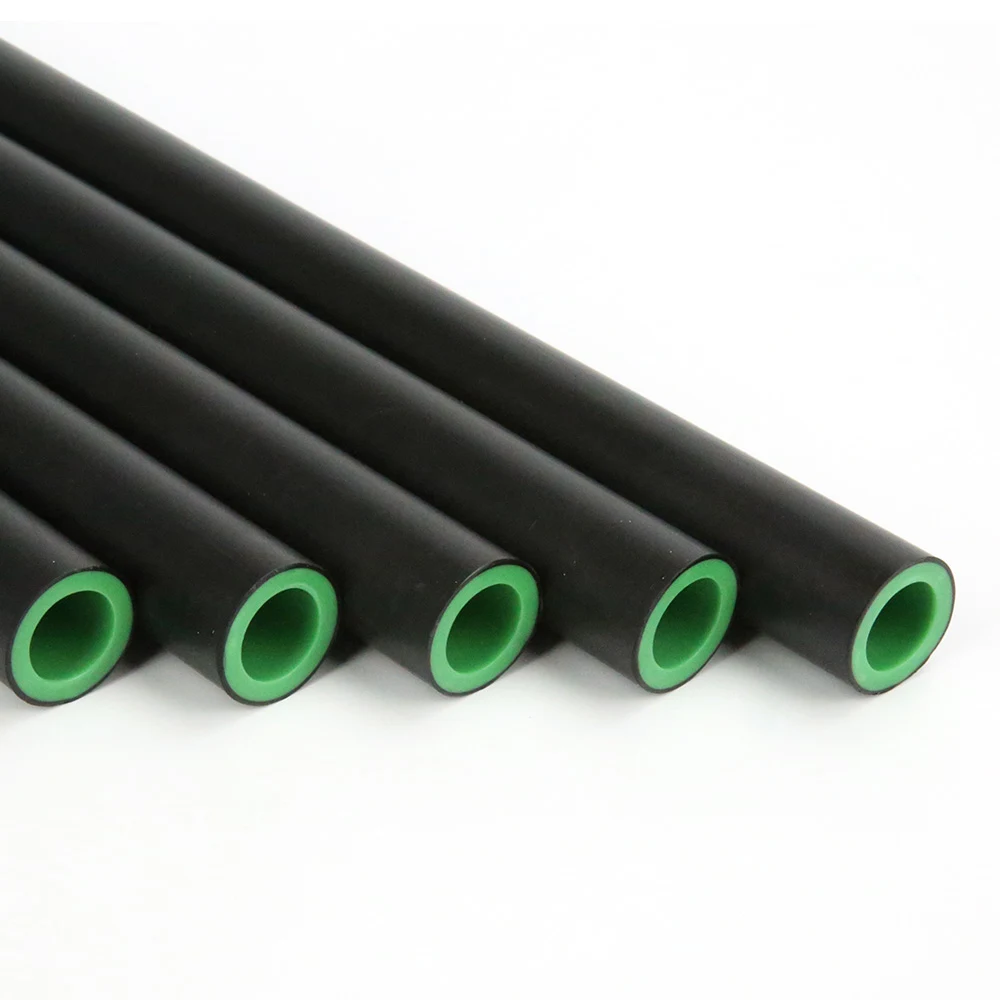
Why Choose DESO Pipe for Industrial Piping Supply?
DESO Pipe is a trusted PPR pipe manufacturer with:
- Over 20 years of industrial experience
- 200+ advanced machines producing 10,000+ tons annually
- R&D-driven innovation with 60+ patents
- ISO, WRAS, AENOR, and DVGW certifications
Our products meet global demands in over 40 export countries. Whether your needs are OEM or proprietary systems, we provide customized solutions that prioritize safety, durability, and ease of installation.
FAQ: Industrial Piping Solutions
What is a PPR pipe?
A polypropylene random copolymer (PPR) pipe is a type of plastic pipe known for its strength, temperature resistance, and suitability for industrial applications.
Where are industrial PPR pipes used?
PPR pipes are widely used in construction, chemical processing, food and pharma production, agriculture, and HVAC systems.
Why are PPR pipes better than traditional materials?
They resist corrosion, last over 50 years, and offer easy installation with leak-proof joints.
Final Thoughts
PPR pipes aren’t just another option—they’re the future of industrial piping solutions. As industries demand safer, longer-lasting, and eco-friendly systems, DESO Pipe delivers with innovation, quality, and unmatched global reach. Whether you’re upgrading old infrastructure or building new, make your next project worry-free with DESO.
Looking for industrial piping solutions that last? Explore our full range of PPR piping solutions and contact our team to discuss how we can support your business.


