


A quick answer would be that PVC pipes are cheaper and lightweight, while PPR pipes are more durable, heat-resistant, and safer for hot and cold water.
PPR and PVC pipes are both widely used in plumbing, but they have distinct characteristics that make them suitable for different applications.
Understanding the differences between these materials can help in selecting the right pipe for specific needs.
Read the article below to learn more.
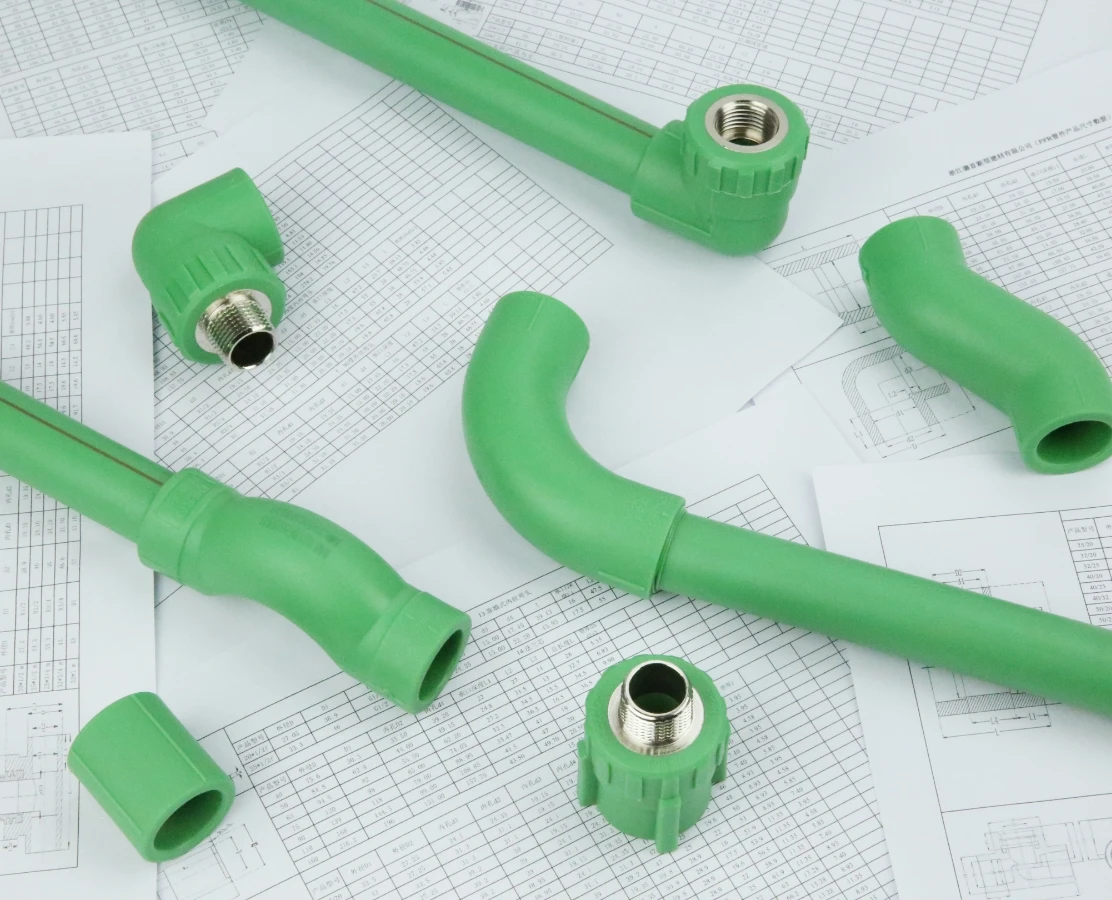
Quick Comparison Table: PPR Pipe vs PVC Pipe
| Feature | PPR Pipes | PVC Pipes |
| Material Composition | Made from polypropylene random copolymer (PPR-C), offering high resistance to heat, chemicals, and pressure. | Made from polyvinyl chloride (PVC), a lightweight but rigid plastic commonly used in drainage and irrigation. |
| Thickness and Strength | Thicker walls make them sturdier, more durable, and resistant to high pressure. | Thinner walls make them lighter and easier to install but more prone to cracking. |
| Acidity and Safety | Non-toxic and safe for drinking water, as they don’t release harmful substances. | May contain chemicals like BPA and phthalates, which can leach into water over time. |
| Thermal Conductivity | Low thermal conductivity, making them efficient for hot and cold water transport. | Higher thermal conductivity, making them less suitable for hot water. |
| Inner Surface Smoothness | Smoother inner surface reduces friction, minimizes pressure loss, and prevents scaling. | Rougher inner surface can cause friction, pressure loss, and scaling over time. |
| Durability and Longevity | Can last over 50 years due to resistance to heat, chemicals, and impact. | Shorter lifespan, more prone to brittleness in extreme temperatures or chemical exposure. |
Where PVC and PPR Pipes Are Used
Understanding the ideal applications and limitations of PPR and PVC pipes can help in making an informed decision when selecting the right material for plumbing or industrial projects. If you want to secure your supply, contact us to lock in supply and get exclusive offers!
Where PPR Pipes Are Used
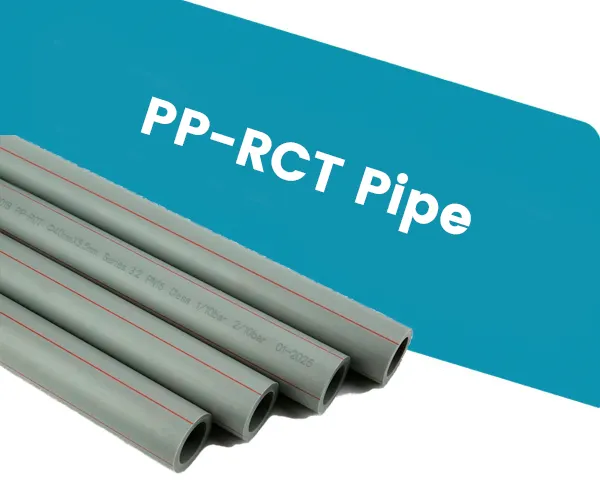
One of the advantages of PPR pipes is that they are highly versatile and are commonly used in:
- Hot and Cold Water Supply Systems – Their ability to withstand high temperatures makes them ideal for residential and commercial plumbing.
- Industrial Fluid Transport – Used in industries requiring chemical resistance, such as pharmaceuticals, food processing, and manufacturing.
- Heating Systems – Common in underfloor heating and radiator systems due to their thermal insulation properties.
- Drinking Water Systems – Since PPR is non-toxic, it is preferred for potable water supply.
- Compressed Air and Gas Piping – Used in industrial settings due to its strength and pressure resistance.
Where PVC Pipes Are Used
PVC pipes are widely used in:
- Drainage and Sewage Systems – Lightweight and cost-effective for wastewater management.
- Irrigation and Agricultural Piping – Commonly used in farms and landscapes due to affordability and corrosion resistance.
- Electrical Conduit Systems – Used for housing electrical wires due to their insulation properties.
- Ventilation Ducts – Some HVAC systems use PVC pipes for air circulation.
- Cold-Water Plumbing – Suitable for transporting cold water in homes and businesses.
Where PVC and PPR Pipes Are NOT Used
Where PPR Pipes Are Not Used

One of the disadvantages of PPR pipes is that they are not suitable for:
- Outdoor Applications Without UV Protection – Prolonged exposure to sunlight can degrade PPR material unless it has UV-resistant coatings.
- High-Pressure Steam Systems – PPR cannot withstand extreme steam pressures found in industrial boilers.
- Underground Sewer and Drainage Systems – Not commonly used due to their cost and overengineering for such low-pressure applications.
Where PVC Pipes Are Not Used
PVC pipes are not ideal for:
- Hot Water Systems – They have poor heat resistance and can warp or degrade at high temperatures.
- High-Pressure Applications – Not suitable for industries that require strong pressure resistance, as they can crack under stress.
- Food and Drinking Water Systems – Some PVC pipes may contain harmful chemicals that can leach into water, making them unsuitable for potable water supply unless specially certified.
- Underground Gas Pipelines – PVC does not have the necessary strength or sealing capabilities for gas transportation.

Choosing the Right Pipe for Your Needs
Selecting between PPR and PVC pipes depends on several factors, including intended use, budget, environmental concerns, and ease of installation.
1. Purpose of Use
- Hot and cold water systems: PPR pipes are the best choice due to their ability to withstand high temperatures and pressure.
- Drainage and irrigation: PVC pipes are commonly used for these applications due to their cost-effectiveness and ease of installation.
2. Budget Considerations

PVC pipes are more affordable than PPR pipes, making them a popular choice for budget-conscious projects.
However, the long-term durability of PPR pipes may offset their higher initial cost through reduced maintenance and replacement expenses.
3. Environmental Impact
For those concerned about sustainability, PPR pipes are the greener choice.
They are fully recyclable and have a longer lifespan, reducing the frequency of replacements.
PVC pipes, on the other hand, contain chlorine-based compounds, which are less environmentally friendly when disposed of or incinerated.

4. Installation and Maintenance
- PPR pipes require heat fusion for installation, creating seamless joints that minimize leaks. This method ensures a secure and leak-proof connection, but it may require professional expertise.
- PVC pipes are easier to install using solvent welding or mechanical fittings. This makes them suitable for DIY projects and quick installations.

DESO Group: A Leading PPR Pipe Manufacturer You Can Trust
Among the many PPR pipe manufacturers, DESO Group stands out for its innovation and commitment to quality.
About DESO
- Founded in 2004, DESO has established itself as a top-tier PPR pipe supplier, earning certifications such as AENOR, DVGW, and WRAS.
- With over 60 patents and an advanced R&D center, DESO offers cutting-edge PPR pipe solutions for various industries.
- Global reach: Exporting to 40+ countries, DESO is a trusted partner of Fortune 500 companies.
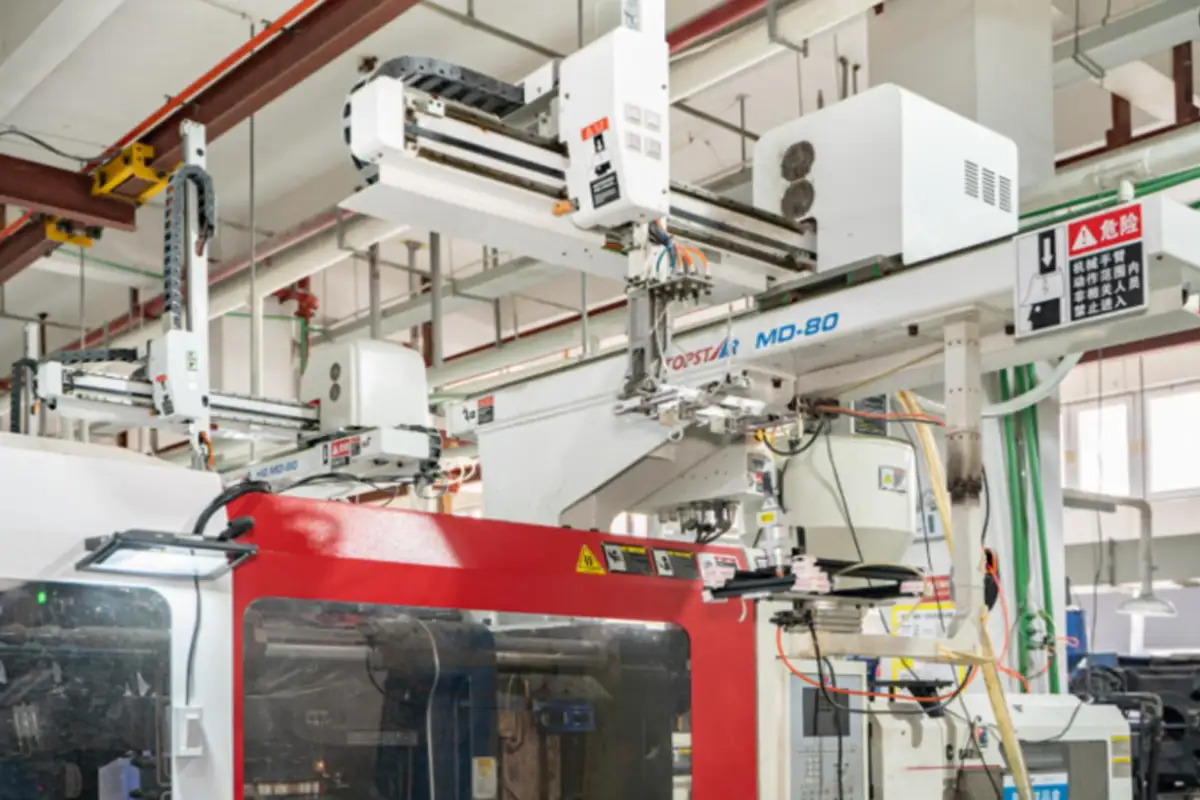
PPR Pipe Types Offered by DESO
- PPR-CT Pipe – Designed for high-pressure applications.
- Standard PPR Pipe – Reliable for general plumbing.
- PPR Fiber Composite Pipe – Enhanced strength with fiber reinforcement.
- PPR Anti-UV Pipes – Resistant to UV exposure, ideal for outdoor use.
- PPR Aluminum Composite Pipe – A multi-layered pipe offering extra durability.
With its commitment to innovation, sustainability, and quality, DESO Group continues to be a preferred choice in the PPR pipe market.
Final Thoughts: PPR Pipes vs PVC Pipes
When comparing PPR pipe vs PVC, the decision ultimately depends on the intended use.
PPR pipes are superior for hot and cold water systems, offering better durability, heat resistance, and safety.
PVC pipes are a more affordable option for drainage and irrigation but come with limitations in heat resistance and long-term reliability.
For those prioritizing sustainability and performance, PPR pipes are the clear winner. That’s why Top 10 PPR pipe brands worldwide trust DESO as their long-term manufacturing partner.
However, PVC pipes remain a cost-effective choice for non-critical applications.
Why Global Top 10 PPR Pipe Brands Choose DESO?
| Key Factors | DESO | Others |
|---|---|---|
| International Certifications (ISO, WRAS, CE) | ✅ Full Set | ⚠️ Partial or None |
| Premium Raw Materials | ✅ Borealis & Hyosung | ❌ Recycled / Low-grade |
| Guaranteed Delivery Time | ✅ 100% On-Time in 5 Years | ❌ Uncertain |
| OEM Support: Branding & Packaging | ✅ Color, Logo, Manuals in 7 Days | ❌ Weak or None |
| Technical Match & Mold Flexibility | ✅ 500+ Molds / Custom Options | ❌ Limited Compatibility |
Resource:
Deso New Building Materials


