


Standard PPR pipe carries water continuously at temperatures up to about 70°C, with short peaks near 95°C. Its melting and softening behavior sits far higher, around 130°C, so the pipe never operates anywhere near that point.
That gap matters. Many buyers confuse the working temperature with the melting point and pick the wrong pipe grade. In this guide, you will learn the difference, how the temperature range of PPR pipe grades affects pressure and lifespan, which pipe suits each application, and how PPR pipes are correctly joined.
لماذا تعتبر تقييمات درجة الحرارة مهمة؟
Temperature ratings define how a pipe behaves under real heat and pressure. Ignore them, and you risk leaks, sagging, or early failure. Get them right, and the system lasts decades.
الضغط
Pressure capacity drops as temperature rises. A pipe rated for 20 bar at 20°C holds far less at 70°C. Ratings guide safe pressure selection.
عمر
PPR follows a creep-based aging curve. Lower temperatures mean slower stress damage. Proper design supports a service life of 50 years or more.
السلامة
Overheated pipe softens and deforms. Correct ratings keep joints intact and prevent sudden bursts in occupied buildings.
ما هي درجة حرارة تشغيل أنابيب PPR؟
Working temperature is the heat a pipe handles continuously without losing strength over its design life. For standard PPR, this is commonly up to 70°C, depending on pressure and SDR.
The temperature range of the pipe standard grades covers runs roughly from -10°C to 70°C in continuous use. Short-term peaks near 95°C are tolerated for limited periods. This balance gives PPR pipes high temperature resistance suited to hot water service.
The practical PPR pipe maximum temperature for continuous duty is therefore about 70°C, not the higher peak figures. Designing for the continuous value protects long-term performance.
ما هي نقطة انصهار PPR؟
PPR does not have a single sharp melting point like a metal. Instead, it softens gradually as the heat increases. Engineers use the Vicat softening temperature as a reference, which sits around 130°C for quality raw material.
At this point, the polymer becomes soft enough to deform under load. Short disruptions reaching 100°C can be tolerated without damage. Still, sustained operation near softening would shorten life dramatically.
ما هو الفرق بين درجة حرارة التشغيل ونقطة الانصهار؟
Working temperature is a safe, continuous operating limit. The softening or melting region is the physical point where the material loses rigidity. They are not the same, and the gap is intentional.
يلخص الجدول أدناه الحدود الرئيسية لـ PPR القياسي.
| المعلمة | القيمة النموذجية | ملاحظات |
| درجة حرارة العمل المستمر | حتى ~70 درجة مئوية | يعتمد على الضغط و SDR |
| ذروة قصيرة الأجل | ~95 درجة مئوية | مدة محدودة فقط |
| تحمل الانقطاع الموجز | ~100 درجة مئوية | ارتفاعات قصيرة وعرضية |
| درجة حرارة تليين فيكات | ~130 درجة مئوية | تبدأ المادة في التشوه |
| درجة حرارة أداة لحام المقبس | 260 درجة مئوية ±5 درجة مئوية | للربط، وليس التشغيل |
لاحظ أن درجة حرارة الانصهار أعلى بكثير من حدود التشغيل. يذيب الانصهار الحراري السطح لفترة وجيزة لربط الأنبوب والتركيب، ثم يبرد المفصل ويتصلب.
كيف تؤثر درجة الحرارة على تقييمات الضغط؟
درجة الحرارة الأعلى تقلل الضغط المسموح به. وهذا يسمى تخفيض القيمة. البوليمر يزحف أكثر تحت الحرارة، لذلك ينخفض الإجهاد الآمن.
على سبيل المثال، قد يحمل أنبوب PN20 يتحمل 30 بار عند 20 درجة مئوية حوالي 13 بار فقط عند 70 درجة مئوية. يطبق المصممون عوامل تخفيض القيمة بناءً على درجة الحرارة، SDR، وعمر الخدمة. عامل الأمان من 1.25 إلى 1.5 هو المعيار بموجب ISO 15874.
لهذا السبب، فإن اختيار أنبوب ppr للتحكم في درجة الحرارة يقترن دائمًا بدرجة حرارة التشغيل مع ضغط العمل قبل اختيار درجة.
ما هي التطبيقات التي تتناسب مع كل نطاق درجة حرارة؟
مطابقة الأنبوب للمهمة تتجنب الإنفاق الزائد والفشل المبكر.
الماء البارد
خطوط مياه الشرب الباردة والمبردة تعمل بالقرب من 20 درجة مئوية. يعمل PPR القياسي أو درجة SDR أرق بشكل جيد هنا. أنبوب PPR المقاوم للمواد الكيميائية للماء يقاوم أيضًا الترسبات والتآكل في هذه الأنظمة.
الماء الساخن
مواسير المياه الساخنة المنزلية تعمل حول 55 درجة مئوية إلى 60 درجة مئوية. درجة PN أعلى تتعامل مع الحرارة والضغط. تعتمد العديد من الفنادق والمستشفيات على هذا للإمدادات اليومية.
أنظمة التدفئة
حلقات تسخين HVAC وتوصيلات المشعات ترى حرارة مستمرة بالقرب من 70 درجة مئوية مع ذروات أعلى. هذه تحتاج إلى أنبوب PPR مقاوم لدرجات الحرارة العالية، غالبًا مركب الألياف أو PP-RCT، للتحكم في التمدد.
لماذا تعمل أنابيب PPR المركبة من الألياف بشكل أفضل في أنظمة درجات الحرارة العالية؟
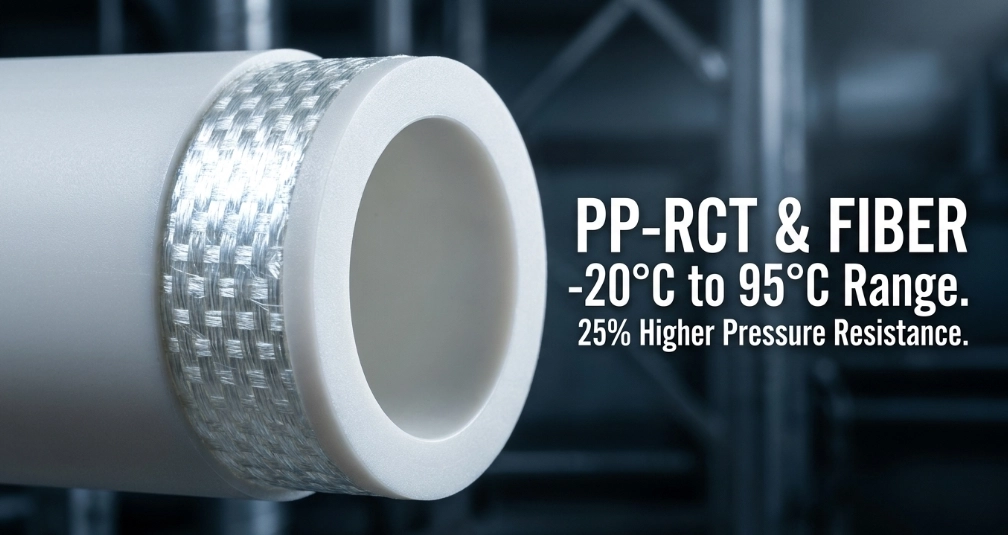
يتمدد PPR القياسي بشكل ملحوظ عند التسخين. يضيف PPR المقوى بالألياف طبقة وسطى من الألياف الزجاجية تقلل التمدد الحراري بشكل حاد. هذا يقلل من الترهل والإجهاد على المسارات الطويلة.
يرفع PP-RCT المستوى أكثر. يوفر مقاومة ضغط أعلى بنسبة 25% وقوة طويلة الأمد مقارنة بـ PP-R السابق، مع نطاق درجة حرارة من -20 درجة مئوية إلى 95 درجة مئوية. مقاومة الزحف الأفضل تأتي من مواد خام بوليمر عالية الجودة مصممة للحرارة المستمرة.
بالنسبة للمواسير العالية الارتفاع وخطوط المياه الصناعية، هذا يعني تباعدًا أضيق وضغطًا أكثر ثباتًا. تصميم نظام أنابيب PPR تجاري: الدليل الهندسي النهائي يشرح كيفية إدارة هذه الحركة الحرارية.
هل يمكن لصق أنابيب PPR؟
لا. لا يتم ربط أنابيب PPR بالغراء المذيب. يتم ربطها بالانصهار الحراري، الذي يذيب ويصهر المادة في قطعة واحدة.
هذه نقطة شائعة للارتباك للمركبين الذين ينتقلون من PVC. فهم السبب يحمي نظامك.
لماذا لا تعمل مواد لاصقة PVC التقليدية على أنابيب PPR؟
Solvent cement works on PVC because the solvent dissolves the surface and welds it chemically. Polypropylene resists those solvents, so the chemistry never bonds.
The same chemical resistance that makes a chemical-resistant PPR pipe for water so durable also blocks adhesive joining. Glue may appear to stick, but it offers no real strength under pressure.
كيف يتم توصيل أنابيب PPR فعليًا؟
PPR relies on thermal joining methods that create a homogeneous bond. Three methods cover most projects.
لحام المقبس
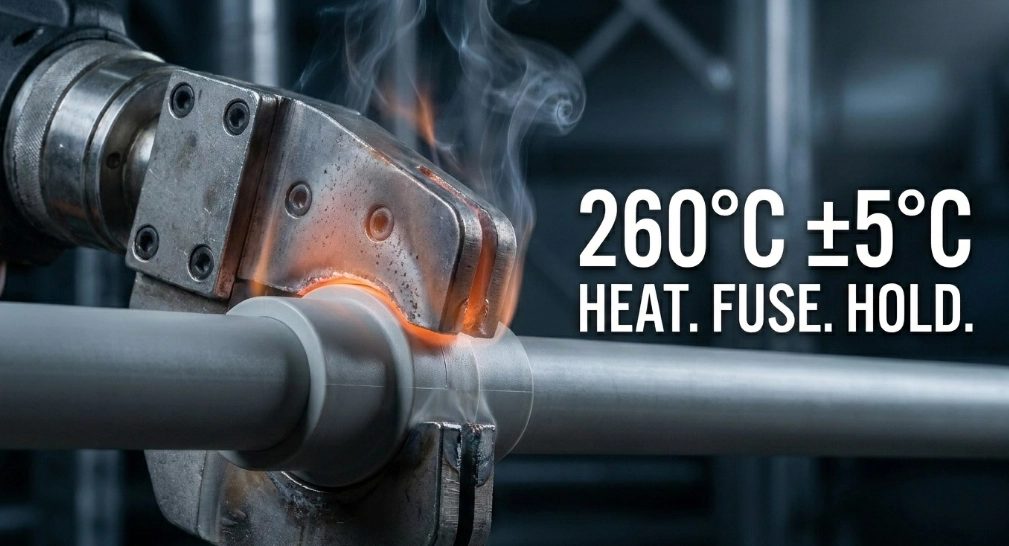
A heating tool warms the pipe end and fitting socket at 260°C ±5°C. The parts are pushed together and held briefly. Heating times scale with size: about 5 seconds for 20 mm, 7 seconds for 25 mm, and 8 seconds for 32 mm.

التركيبات الملولبة
Brass-insert threaded fittings connect PPR to metal pipes, valves, or fixtures. They allow safe transitions without fusion.
Flanged Connections
Flanges suit large diameters and equipment connections. They allow disassembly for maintenance on bigger lines.
Are There Any Situations Where Adhesives Are Used?
Rarely, and never for structural pressure joints. Adhesives may appear in temporary marking or external sealing of unrelated components. They are not part of forming a load-bearing PPR connection.
What Are The Risks Of Using Adhesives On PPR Pipe Systems?
Using glue on PPR creates hidden weak points. Risks include:
- Joint failure under pressure or temperature swings
- Slow leaks behind finished walls
- No real chemical bond, despite surface appearance
- Voided performance expectations and rework costs
Fusion remains the only sound joining method for pressure service.
What Are The Best Practices For PPR Pipe Installation?
Good practice protects both the joint and the long-term system. Follow these steps.
- Cut the pipe square and remove burrs before fusion.
- Keep fusion surfaces clean, dry, and oil-free.
- Hold the correct heating time for each pipe size.
- Below 5°C, increase heating time to prevent cold fusion defects.
- Never twist or realign joints after fusing.
- Allow full cooling before pressurizing.
Selecting the right branch fittings also helps flow. The وصلة Y مقابل وصلة متساوية مقابل وصلة خماسية: أي وصلة PPR للتفرعات المعقدة؟ guide compares options for complex layouts.
خاتمة
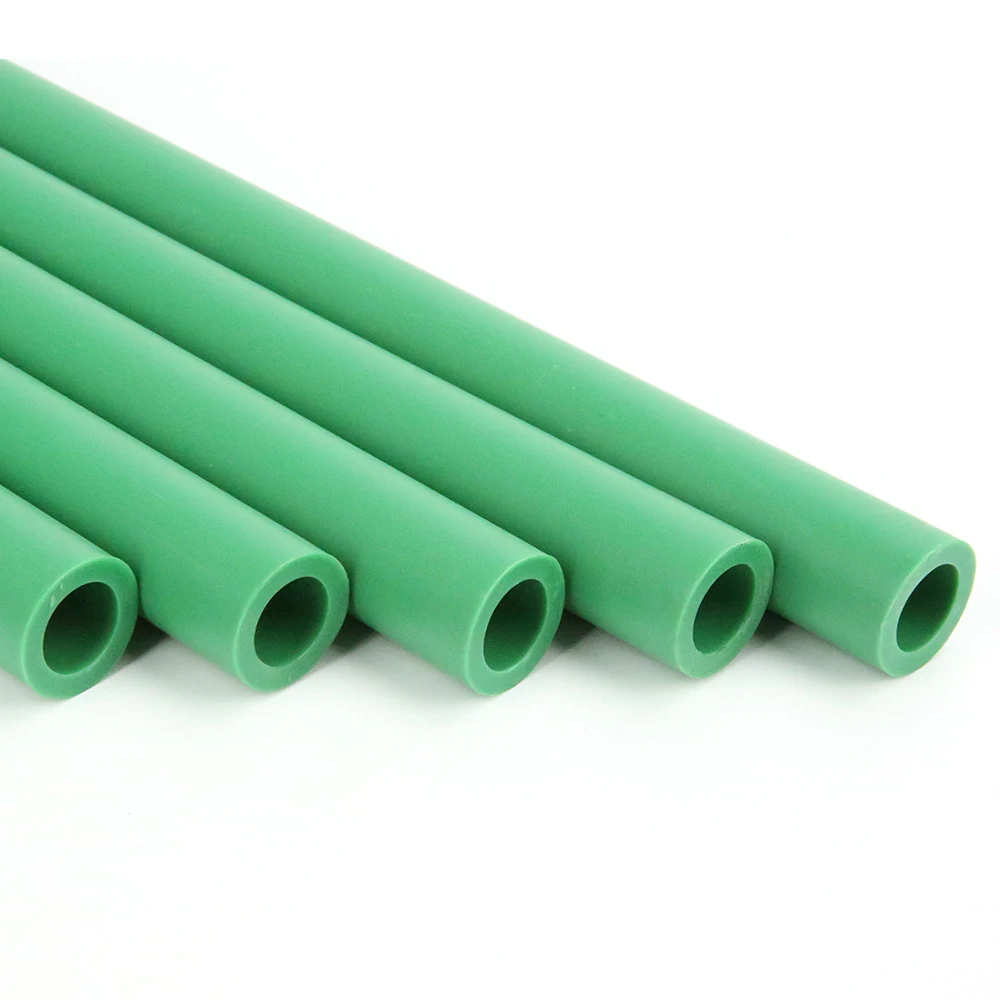
متى pipes and fittings share the same raw material standard, fusion forms a uniform bond. As a مُصنِّع أنابيب PPR with 20+ years of experience, DESO Pipe produces matched PPR systems for stable joints.
DESO operates 200+ automated machines and 50+ testing devices, holds 60+ patents, and exports to 40+ countries. Products carry CE, WRAS, AENOR, DVGW, and ISO 9001, 14001, and 45001 certifications, with compliance to ISO 15874 and DIN 8077/8078/16962.
The range supports potable water, HVAC, industrial fluid conveyance, and agricultural irrigation. Explore the full collection and download the Product Catalogue لمطابقة الدرجة المناسبة لمشروعك.


