


PPR (Polypropylene Random Copolymer) pipes are employed in plumbing and heating systems thanks of its durability, heat resistance, and corrosion-free nature. White and green are common PPR pipe colors. They may seem same, but their usage, quality, and manufacture differ. This article compares white and green PPR pipes to help you pick the correct one for your plumbing requirements.
1. Knowing PPR Pipes
Understand what PPR pipes are and why they’re utilized before comparing them.
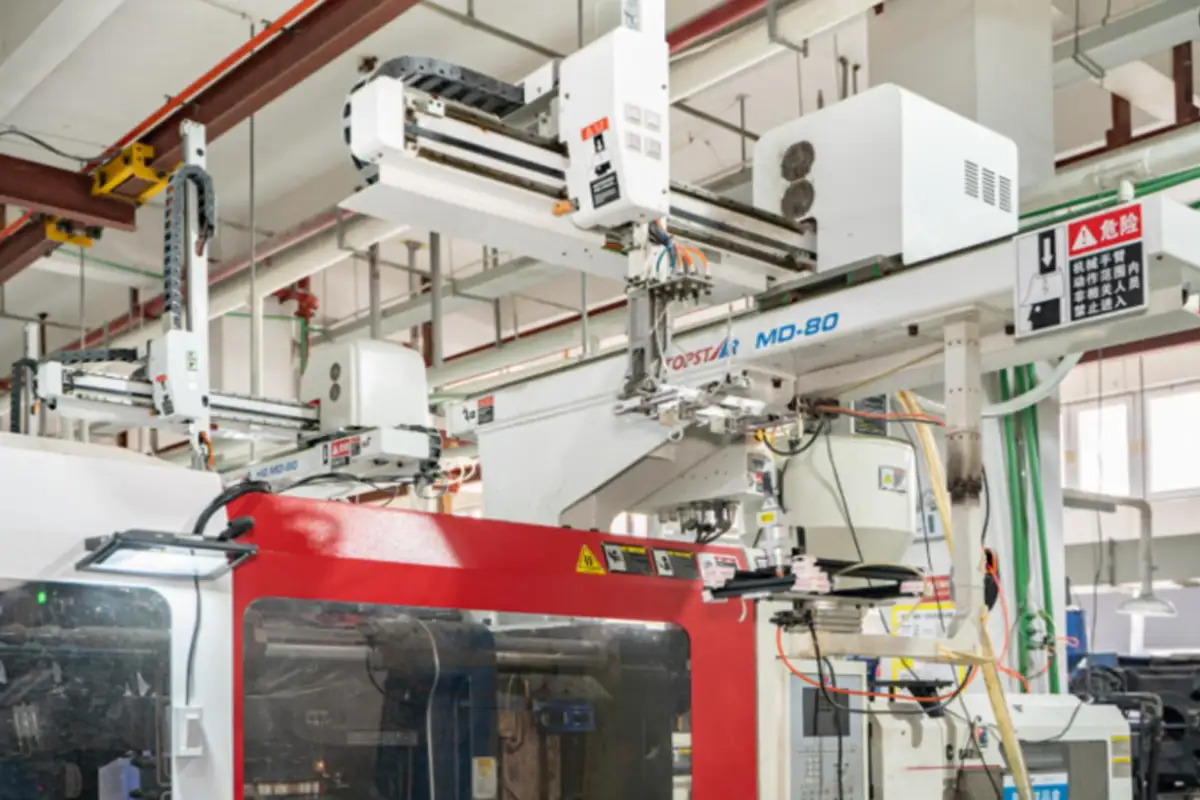
PPR pipes are built of heat- and chemical-resistant polypropylene random copolymer. Widely used for:
- Hot/cold water supplies
- Heating systems
- Industrial fluid transport
- Pipelines carrying chemicals
- Distribution of drinking water
Check out the differences between white and green PPR pipes.
2. Color Coding Difference
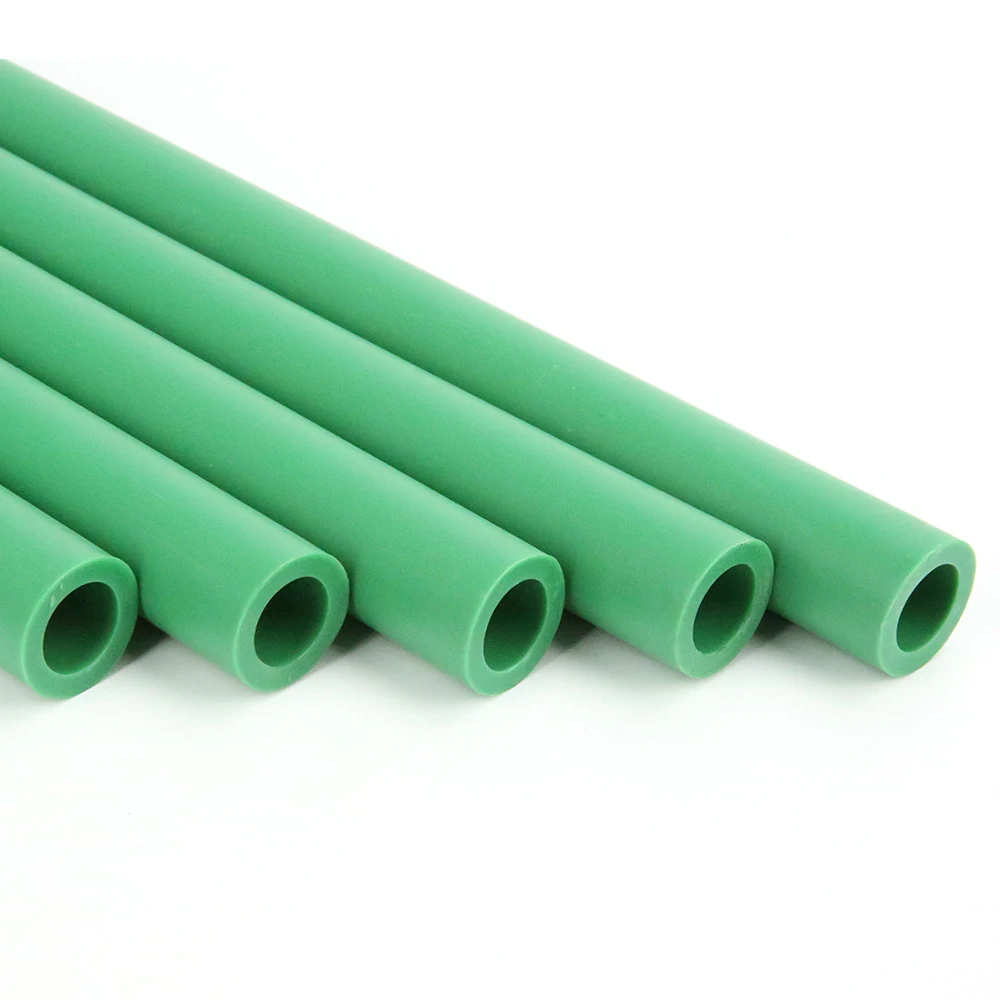
Pipe color is the biggest difference.
White or off-white PPR pipes.
Green PPR Pipes: Bright green pipes.
Why It Matters
The color difference is mostly for identification. Manufacturers utilize varied colors for grades, purposes, and country-specific norms.
3. Material and Manufacturing Standards
White and green PPR pipes are produced from polypropylene, although they may have differing quality criteria.
White PPR Pipes: ISO 15874-compliant and popular throughout Europe.
Asian and Middle Eastern markets prefer green PPR pipes, which meet DIN 8077/8078 or other regional specifications.
Why It Matters
White and green PPR pipes have different production requirements, hence pressure and temperature resistance may vary.

4. Use and Application
Although both kinds of PPR pipes are used for comparable purposes, certain localities favor one.
White PPR Pipes: Used for domestic hot and cold water delivery. They’re favored in areas with white-pipe construction regulations.
Green PPR Pipes: Used in commercial, industrial, and residential plumbing. Some manufacturers say green PPR pipes are ideal for outdoor usage because they withstand UV light.
Why It Matters
To maintain compatibility, match color and standard when replacing or expanding a pipeline.

5. Strength and Durability
PPR pipes are stronger and more durable based on material grade than color. Manufacturer variances cause various disparities.
White PPR Pipes: More flexible, simpler to work with in small locations.
Green PPR Pipes: Thicker and more stiff, improved impact resistance.
Why It Matters
For curved installations, white PPR pipes may be better. Green PPR pipes may be superior for impact resistance.
6. Outdoor Use and UV Resistance
Sunlight may degrade plastic pipes.
White PPR Pipes: UV-sensitive, unsuitable for outdoor use without insulation.
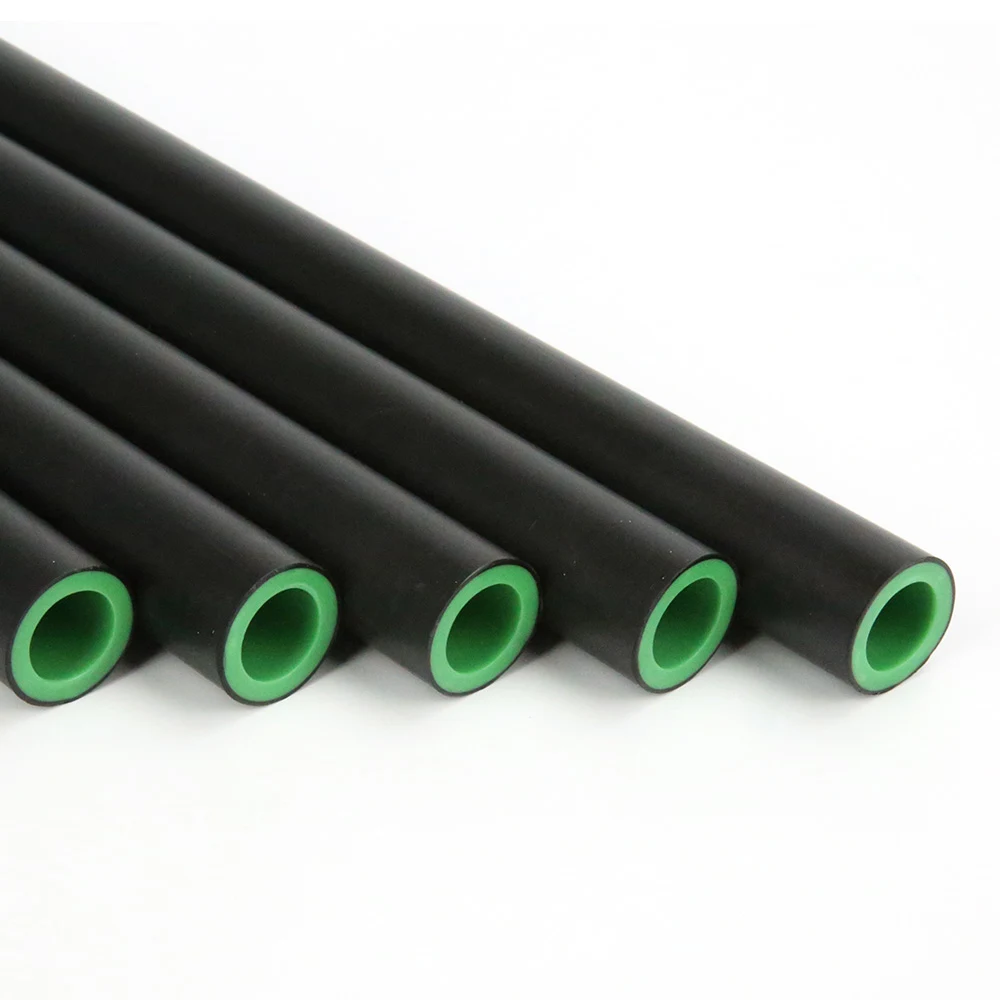
Green PPR Pipes: UV stabilizers make them more robust for outdoor plumbing.
Why It Matters
Green PPR pipes are preferable for direct sunshine owing to their UV resistance.
7. Price/Availability
PPR pipe prices vary by manufacturer, area, and material grade.
In normal markets, white PPR pipes are cheaper.
For increased UV stabilizers and longevity, green PPR pipes may cost more.
Why It Matters
Budget-conscious shoppers should weigh pricing and benefits before deciding.
8. Environmental and Health Issues

White and green PPR pipes are safe for drinking water but have differing environmental implications.
White PPR Pipes: Less additives, greener.
Some green PPR pipes include chemical stabilizers, which may harm the environment.
Why It Matters
Sustainability certifications and material composition should be checked before purchase.
Conclusion
PPR pipes in white and green have the same material and purpose but differ in flexibility, durability, UV resistance, and regional standards.
- Flexible, inexpensive, and eco-friendly white PPR indoor plumbing pipes.
- Green PPR pipes offer long-term outdoor dependability, durability, and UV protection.
You can choose the right plumbing solution by understanding these distinctions. Among the many PPR pipe manufacturers, DESO Group stands out for its innovation and commitment to quality.
About DESO
Global reach: Exporting to 40+ countries, we are also the trusted partner of Top 10 PPR pipe brands worldwide, supporting their OEM and system integration needs across diverse markets.
Founded in 2004, DESO has established itself as a top-tier PPR pipe supplier, earning certifications such as AENOR, DVGW, and WRAS.
With over 60 patents and an advanced R&D center, DESO offers cutting-edge PPR pipe solutions for various industries.
Why Global Top 10 PPR Pipe Brands Choose DESO?
| Key Factors | DESO | Others |
|---|---|---|
| International Certifications (ISO, WRAS, CE) | ✅ Full Set | ⚠️ Partial or None |
| Premium Raw Materials | ✅ Borealis & Hyosung | ❌ Recycled / Low-grade |
| Guaranteed Delivery Time | ✅ 100% On-Time in 5 Years | ❌ Uncertain |
| OEM Support: Branding & Packaging | ✅ Color, Logo, Manuals in 7 Days | ❌ Weak or None |
| Technical Match & Mold Flexibility | ✅ 500+ Molds / Custom Options | ❌ Limited Compatibility |
🔎 Related Blogs You Might Like
The Color Line on the PPR Pipe: What It Means and Why It Matters
Learn how different color stripes on PPR pipes indicate pressure ratings, applications, and flow direction.
PPR vs. Copper Pipes: Pros and Cons
Compare cost, installation, heat resistance, and longevity between PPR and traditional copper plumbing.
Standards and Certifications in the PPR Pipe Industry
Understand DIN, WRAS, CE, and ISO certifications that impact your pipe color choice and project approval.
Resource:
Expand Your PPR Product Line with Deso’s Premium PPR Solutions:


